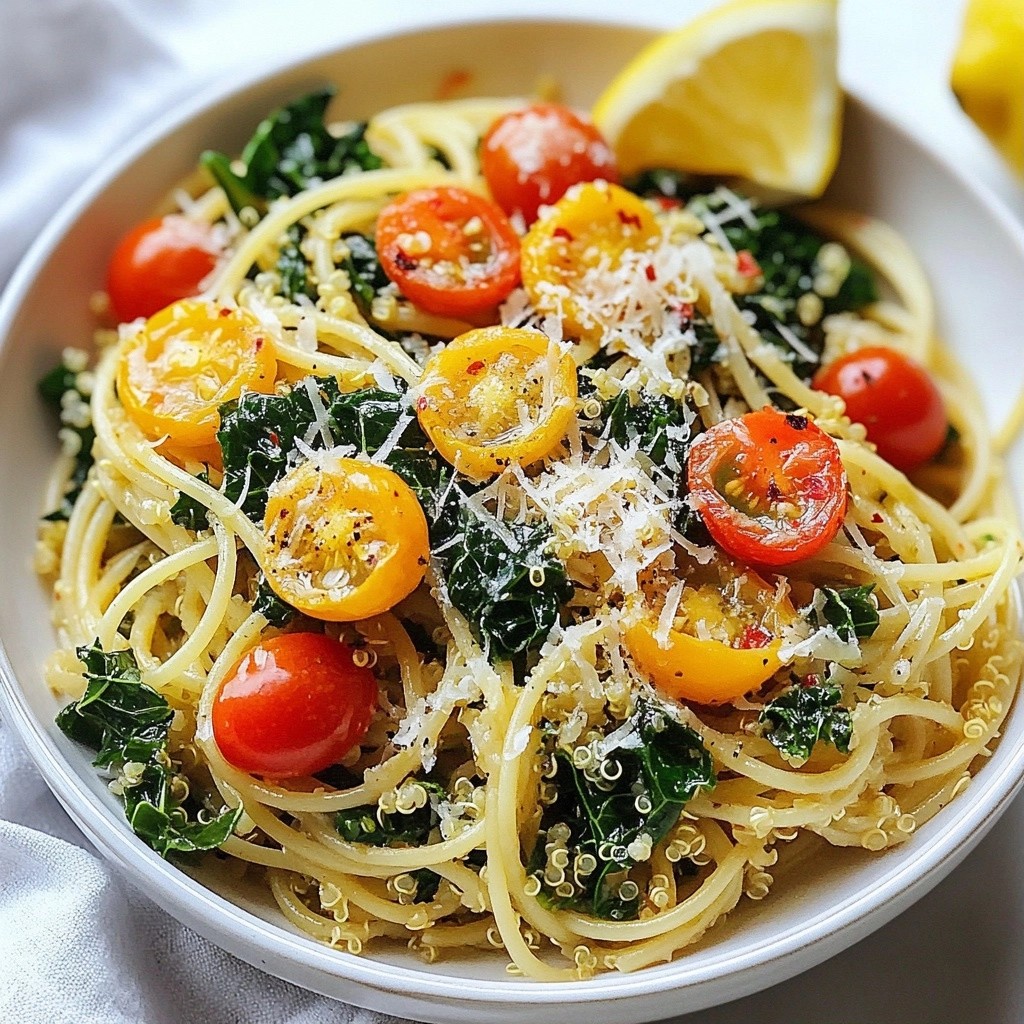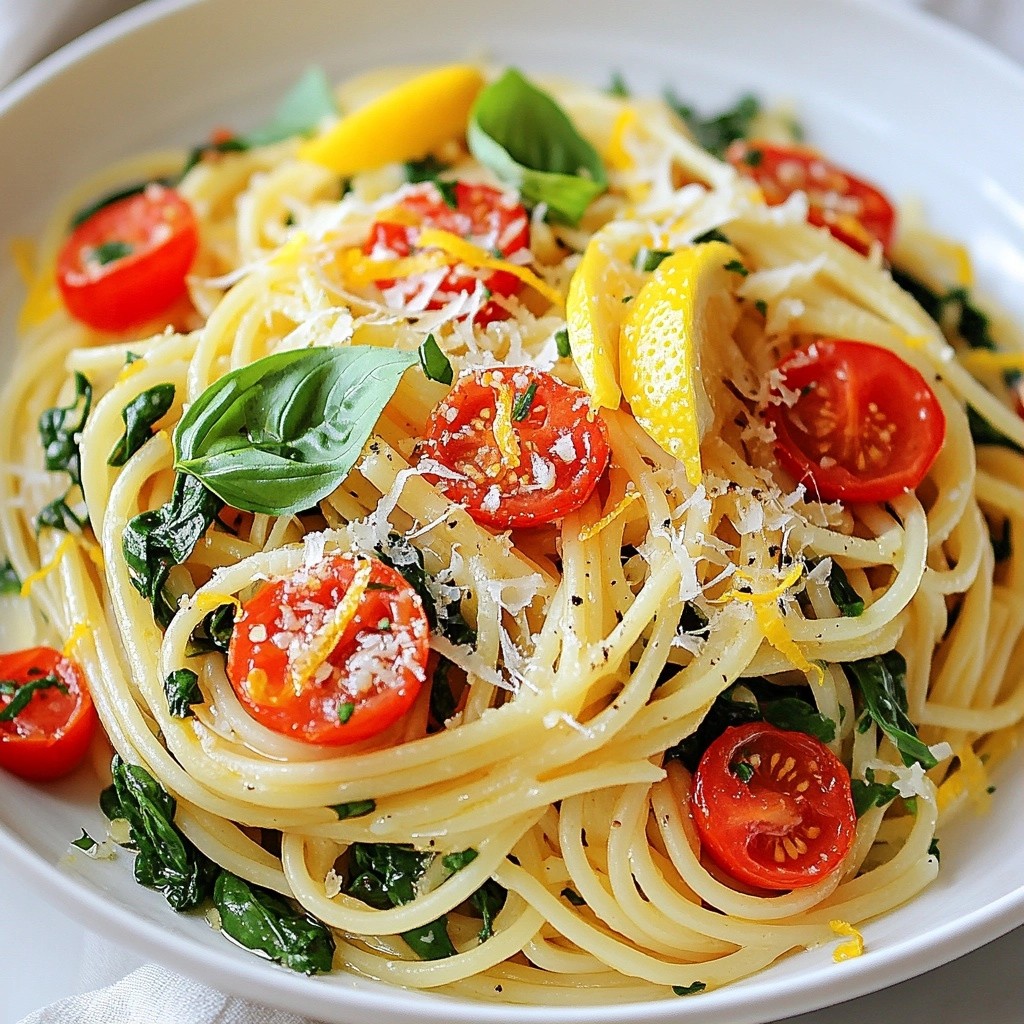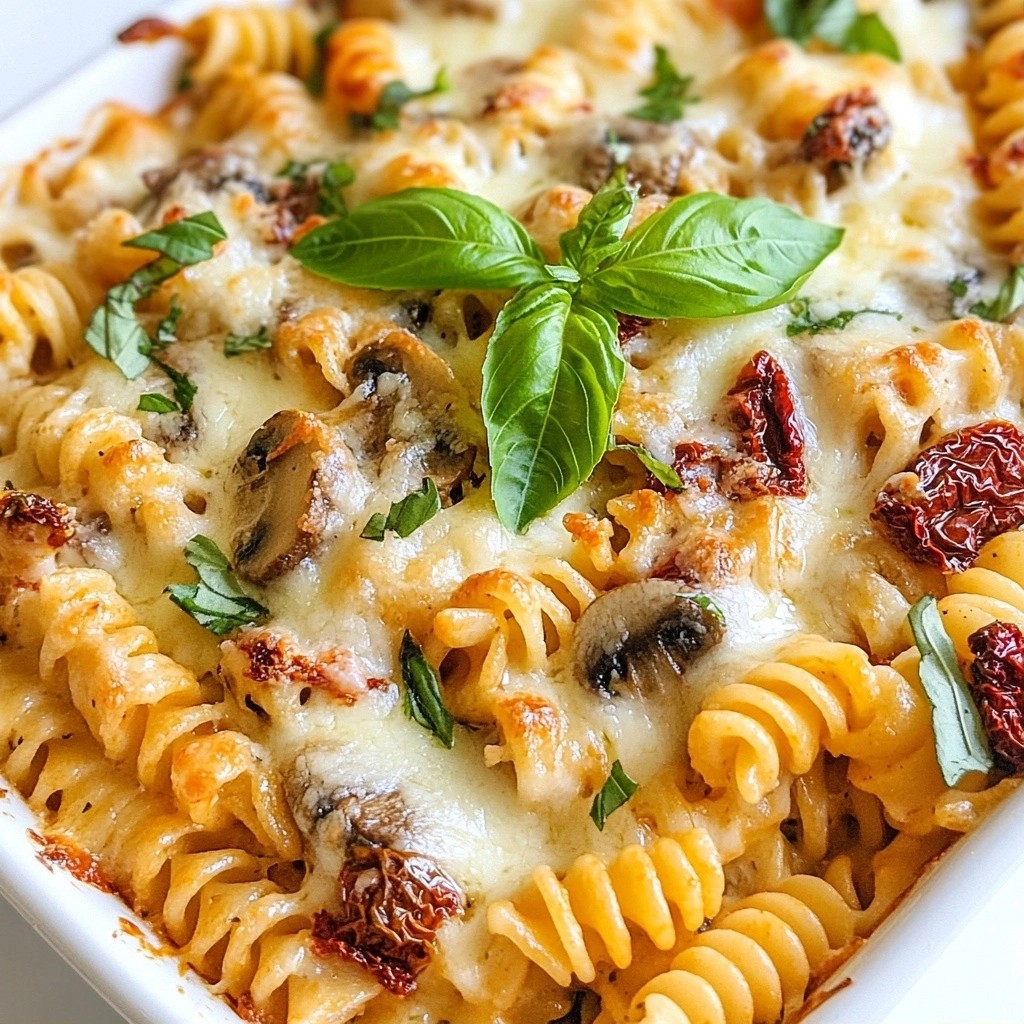
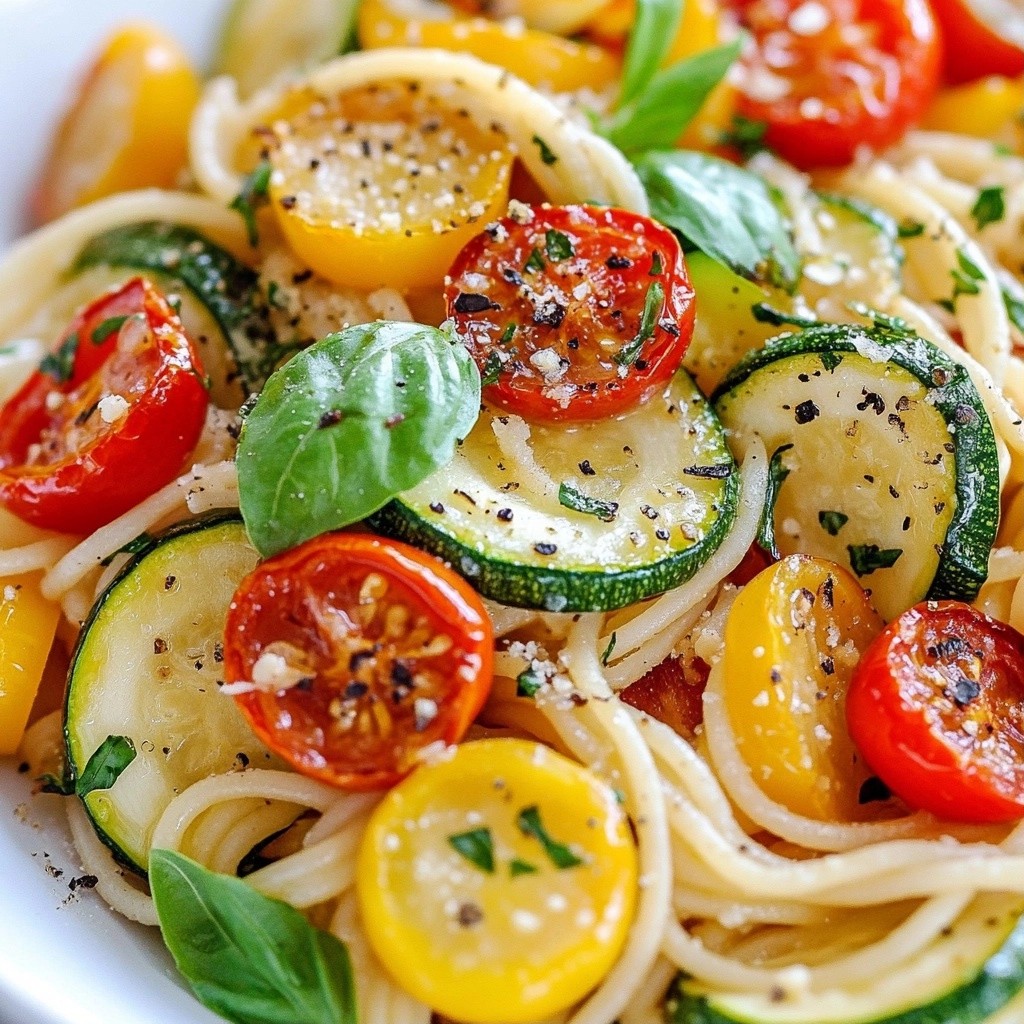
Are you ready to savor a delicious, healthy meal that's easy to make? Whole Wheat Pasta with Roasted Vegetables Delight is your answer! In this guide, I’ll walk you through the simple steps for cooking whole wheat pasta, pairing it with fresh, roasted veggies, and adding tasty seasonings. This dish is not just good for you; it’s also bursting with flavors. Let’s dive in and create a meal that impresses!
Why I Love This Recipe
- Healthy and Wholesome: This dish uses whole wheat pasta and a variety of fresh vegetables, making it a nutritious choice for any meal.
- Easy to Prepare: With minimal prep work and straightforward instructions, this recipe is perfect for busy weeknights.
- Flavorful and Satisfying: The roasting process enhances the natural sweetness of the vegetables, creating a delicious and hearty dish.
- Customizable: You can easily swap in your favorite vegetables or add protein to make it your own!
Ingredients
Main Ingredients for Whole Wheat Pasta with Roasted Vegetables
- 8 oz whole wheat pasta
- 1 zucchini, sliced
- 1 bell pepper (red or yellow), chopped
- 1 cup cherry tomatoes, halved
- 1 small red onion, chopped
- 3 cloves garlic, minced
- 2 tablespoons olive oil
- 1 teaspoon dried Italian herbs (oregano, basil)
- Salt and pepper to taste
- ¼ cup grated Parmesan cheese (optional)
- Fresh basil leaves for garnish
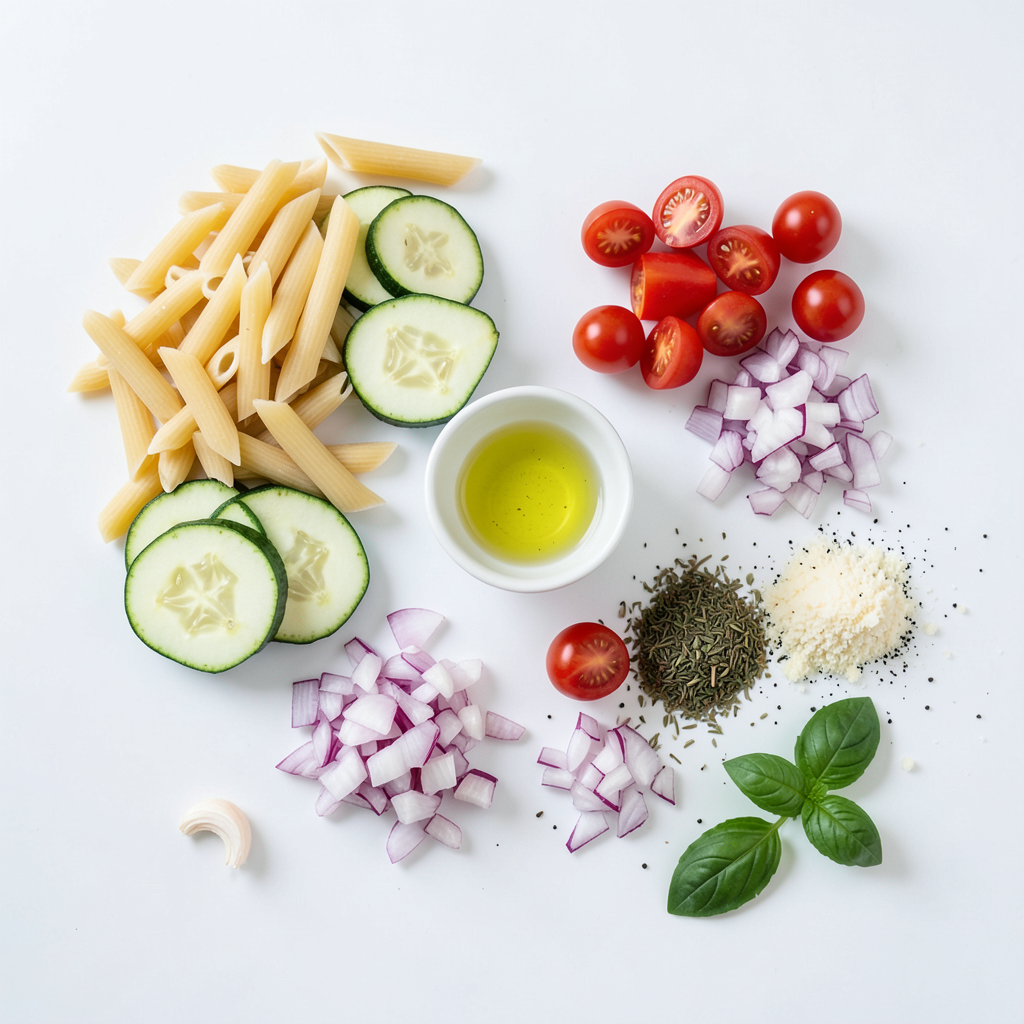
Whole wheat pasta forms the base of this dish. It is hearty and adds fiber. You can find it in most grocery stores. Next, we have fresh vegetables. Zucchini and bell peppers add color and crunch. Cherry tomatoes add sweetness, while red onion gives depth. Garlic adds a lovely aroma and flavor.
Seasoning is very important. Olive oil helps the vegetables roast well. Dried Italian herbs give a nice flavor boost. Salt and pepper enhance the taste, making it better. If you like cheese, use Parmesan for extra creaminess. Fresh basil leaves finish the dish with a burst of freshness.
These ingredients work together to create a tasty, healthy meal. Enjoy each bite!
Step-by-Step Instructions
Prepping the Vegetables
First, preheat your oven to 425°F (220°C). This high heat helps the veggies get nice and roasted. In a medium bowl, mix together the sliced zucchini, chopped bell pepper, halved cherry tomatoes, chopped red onion, and minced garlic.
Next, drizzle the vegetables with 2 tablespoons of olive oil. Sprinkle 1 teaspoon of dried Italian herbs, along with salt and pepper to taste. Toss everything together until the veggies are well coated. This mix of oil and herbs gives the vegetables great flavor.
Roasting the Vegetables
Now it's time to roast! Spread the vegetable mix onto a baking sheet lined with parchment paper. Make sure they are in a single layer to roast evenly. Pop the baking sheet into the oven and roast for about 20-25 minutes. The veggies should become tender and develop a slight caramelization. This adds a sweet flavor to your dish.
Cooking the Pasta
While the vegetables roast, bring a large pot of salted water to a boil. Use enough water to cook the pasta well. Add 8 oz of whole wheat pasta and cook according to the package instructions. This usually takes around 8-10 minutes for al dente pasta. Once cooked, drain the pasta and set it aside.
Combining the Ingredients
Once the veggies are done, it's time to mix everything together. Combine the roasted vegetables with the pasta in a large bowl. Gently toss them together. If you like, you can drizzle a bit more olive oil for extra taste.
For an added touch, sprinkle ¼ cup of grated Parmesan cheese on top. Fresh basil leaves make a lovely garnish too. Enjoy your colorful and tasty whole wheat pasta with roasted vegetables!
Tips & Tricks
Perfecting Roasted Vegetables
To get your vegetables nice and caramelized, follow these steps:
- Cut evenly: Make sure all vegetable pieces are about the same size. This helps them cook evenly.
- Don’t crowd the pan: Spread your vegetables out on the baking sheet. If they are too close, they will steam instead of roast.
- Use high heat: Roasting at 425°F really brings out great flavors. The high temperature helps achieve that golden color.
For seasoning:
- Olive oil is key: Drizzle enough olive oil to coat the veggies. This helps them brown well.
- Mix herbs: Use a mix of dried Italian herbs like oregano and basil. It adds depth to the flavor.
- Taste as you go: Always taste your mixture before roasting. Adjust salt and pepper to your liking.
Cooking Pasta to Perfection
To avoid overcooking your pasta:
- Use a timer: Follow package directions closely and set a timer. Aim for “al dente,” which means firm to the bite.
- Taste test: About a minute before the time is up, taste a piece. It should be cooked but not mushy.
For better texture:
- Salt the water: Adding salt to boiling water enhances the pasta's flavor. It should taste like the sea.
- Rinse lightly: After draining, rinse briefly under cold water if you’re not serving right away. This stops the cooking process.
Serving Suggestions
For a beautiful presentation:
- Use a large bowl: Toss the pasta and vegetables in a big bowl. It looks inviting and allows for easy serving.
- Garnish well: Top with fresh basil leaves and a sprinkle of Parmesan cheese. This adds color and flavor.
For pairing:
- Add protein: Grilled chicken or shrimp can make this dish heartier. Just toss them in with the pasta.
- Serve with a side: A simple green salad or garlic bread complements the meal nicely.
Pro Tips
- Choose Seasonal Vegetables: Opt for vegetables that are in season to enhance flavor and freshness. This also supports local farmers and can make your dish more vibrant.
- Cook Pasta Al Dente: Be sure to cook the pasta until it's al dente for the best texture. It should have a slight bite to it, which pairs well with the roasted vegetables.
- Add a Splash of Lemon: For an extra layer of flavor, consider squeezing fresh lemon juice over the pasta and vegetables before serving. It brightens the dish beautifully.
- Experiment with Cheese: While Parmesan is a classic choice, feel free to experiment with other cheeses like feta or goat cheese for a different taste profile.
Variations
Vegetable Substitutions
You can switch up the veggies in this dish. Try using:
- Broccoli florets
- Carrots, sliced
- Eggplant, cubed
- Asparagus, cut into pieces
Seasonal veggies also shine in this recipe. In spring, add peas or artichokes. In fall, consider butternut squash or Brussels sprouts. These changes keep the meal fresh and exciting.
Dietary Modifications
For gluten-free options, use gluten-free pasta. Many brands offer pasta made from rice or corn. These options cook well and taste great.
If you want a vegan version, skip the Parmesan cheese. Instead, sprinkle nutritional yeast on top. It gives a cheesy flavor without dairy. You can also add more veggies for extra nutrients.
Flavor Enhancements
Add herbs and spices for extra flavor. Try these:
- Fresh rosemary
- Thyme
- Crushed red pepper for heat
For sauces, consider drizzling balsamic vinegar over the dish. A light pesto adds a fresh taste. You can also mix in a bit of lemon juice for brightness. These enhancements make your pasta dish even more delightful!
Storage Info
Refrigeration Guidelines
To store leftover whole wheat pasta with roasted vegetables, place it in an airtight container. This keeps the pasta fresh and prevents strong smells from nearby foods. Make sure the pasta and vegetables cool down before sealing.
In the fridge, your leftovers will stay good for about 3 to 5 days. Check for any signs of spoilage, like off smells or changes in texture, before eating.
Freezing Instructions
You can freeze leftover pasta and vegetables for longer storage. First, let them cool completely. Then, pack them in freezer-safe bags or containers. Try to remove as much air as possible to prevent freezer burn.
When you are ready to enjoy your meal again, thaw the pasta and vegetables in the fridge overnight. For reheating, use a skillet on low heat. Add a splash of water or olive oil to keep everything moist. Enjoy your saved dish just like when it was fresh!
FAQs
How to make whole wheat pasta more flavorful?
To boost the taste of whole wheat pasta, use a mix of seasonings and sauces. Here are some great ideas:
- Garlic powder for a savory kick.
- Crushed red pepper for heat.
- Lemon juice adds brightness.
- Pesto gives it a fresh, herbal flavor.
- Balsamic vinegar adds a sweet tang.
You can also mix in fresh herbs like basil or parsley. They add aroma and taste. Experiment with these options to find your favorite combo!
What is the best way to reheat roasted vegetables?
Reheating roasted vegetables can be tricky. You want them warm, but not soggy. Here are some tips:
- Use the oven: Preheat to 350°F (175°C). Spread veggies on a baking sheet. Heat for about 10 minutes.
- Stovetop method: Heat a pan over medium heat. Add a splash of olive oil. Toss the vegetables until warm.
Both methods help keep the texture and flavor intact. Avoid the microwave as it makes veggies soft.
Can I use other types of pasta?
Yes, you can use other pasta types. Here’s how they compare:
- Spelt pasta: Similar taste, higher protein.
- Brown rice pasta: Gluten-free, chewy texture.
- Quinoa pasta: Nutty flavor, high in protein.
Whole wheat pasta is great for fiber. Each type has its own health benefits. Choose what you enjoy most!
In this article, we explored how to make whole wheat pasta with roasted vegetables. We covered the key ingredients, from the pasta itself to fresh veggies and seasonings. You learned step-by-step how to prep, roast, and combine these elements. I shared tips for perfect texture and ways to serve your dish. Remember, you can mix things up with different vegetables or enhance flavor with herbs. This recipe is versatile and great for many diets. Enjoy your cooking and the delicious results you create!