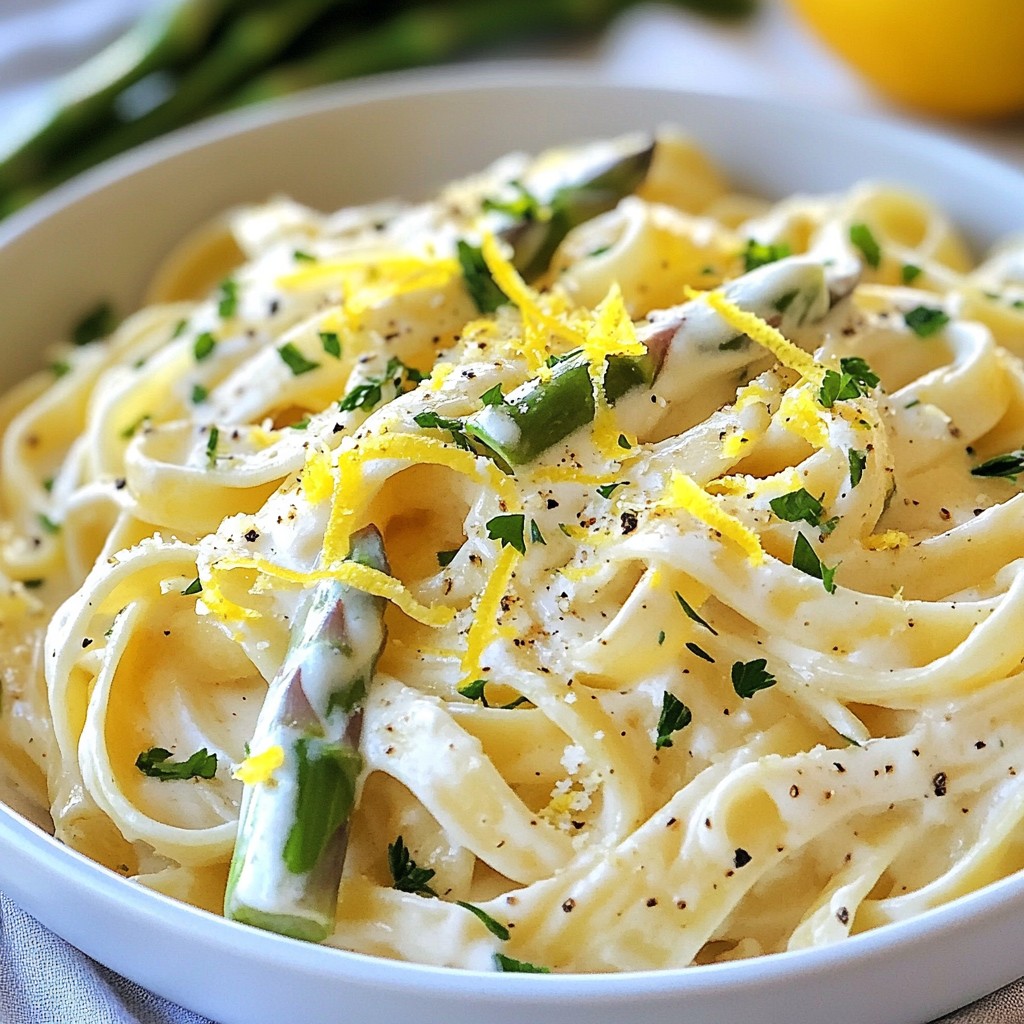
Are you ready to indulge in a creamy dish that sings with lemon and fresh asparagus? My Silky Lemon Asparagus Creamy Pasta Delight is a treat you won't want to miss! This easy recipe is perfect for busy weeknights or special occasions. In this post, I'll guide you through the ingredients, steps, and tips to make your pasta shine. Let’s dive in and create a meal that your taste buds will love!
Why I Love This Recipe
- Fresh and Vibrant: This pasta dish combines the fresh taste of asparagus with a zesty lemon cream sauce that brightens up any meal.
- Quick and Easy: With a total time of just 20 minutes, this recipe is perfect for busy weeknights or last-minute guests.
- Creamy Indulgence: The rich combination of heavy cream and Parmesan cheese creates a luxurious texture that makes this dish feel gourmet.
- Customizable: This recipe allows for easy substitutions, so you can add your favorite vegetables or proteins for a personalized touch.
Ingredients
Detailed list of ingredients
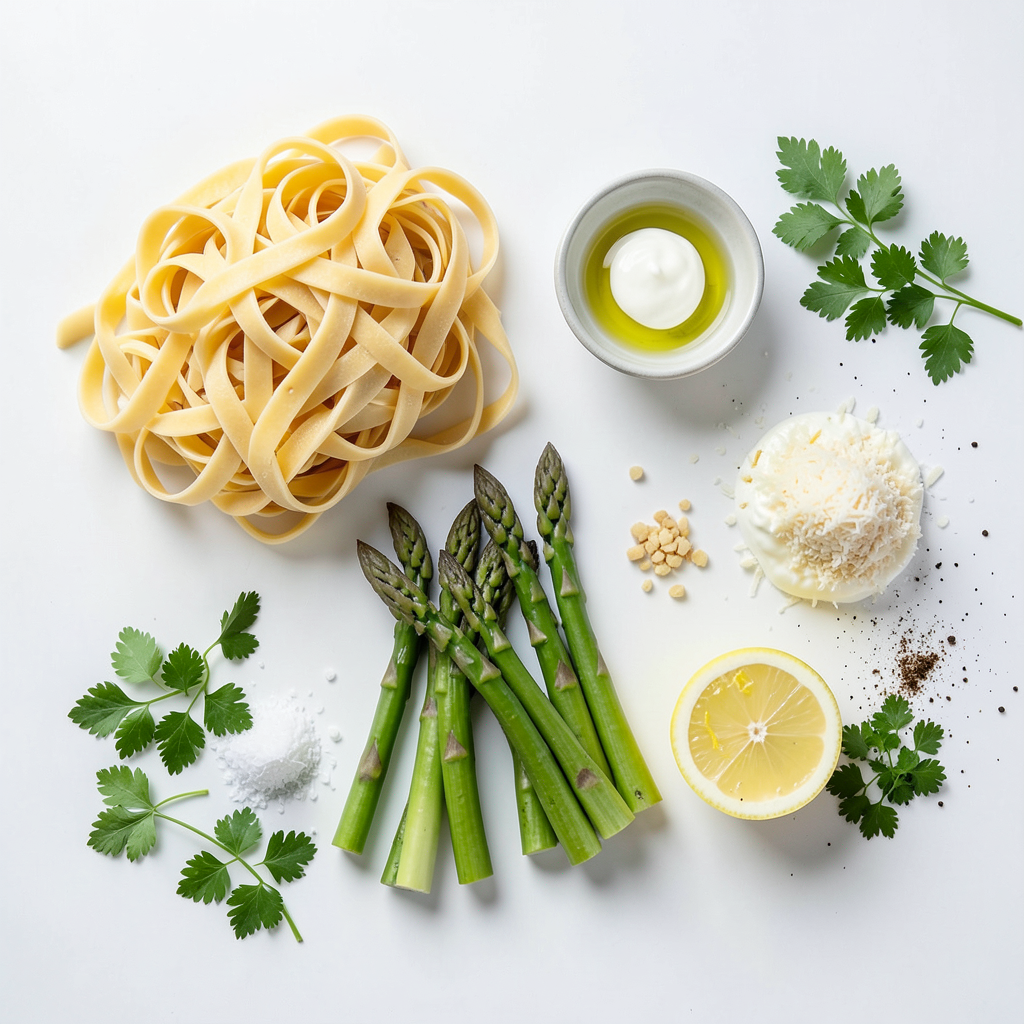
For Silky Lemon Asparagus Creamy Pasta, you need:
- 8 oz fettuccine or spaghetti
- 1 bunch of asparagus, trimmed and cut into 2-inch pieces
- 2 tablespoons olive oil
- 2 cloves garlic, minced
- 1 cup heavy cream
- 1 cup grated Parmesan cheese
- Zest of 1 lemon
- 2 tablespoons fresh lemon juice
- Salt and pepper to taste
- Fresh parsley, chopped (for garnish)
Each ingredient plays a vital role in creating a dish full of flavor and texture. The pasta provides a hearty base, while the asparagus adds freshness and crunch. The heavy cream and Parmesan cheese create a rich and creamy sauce. Lemon zest and juice offer a bright contrast that makes each bite exciting.
Substitutions for common ingredients
You can swap some ingredients based on your needs:
- Use whole wheat pasta for a healthier option.
- Replace asparagus with green beans or broccoli for a different veggie.
- If you want a lighter sauce, use half-and-half instead of heavy cream.
- Nutritional yeast can replace Parmesan for a vegan version.
- You can also use lemon extract if fresh lemons aren’t available.
Substituting can help you make this dish fit your tastes or dietary needs.
Optional garnish ideas
Garnishes can elevate your dish further:
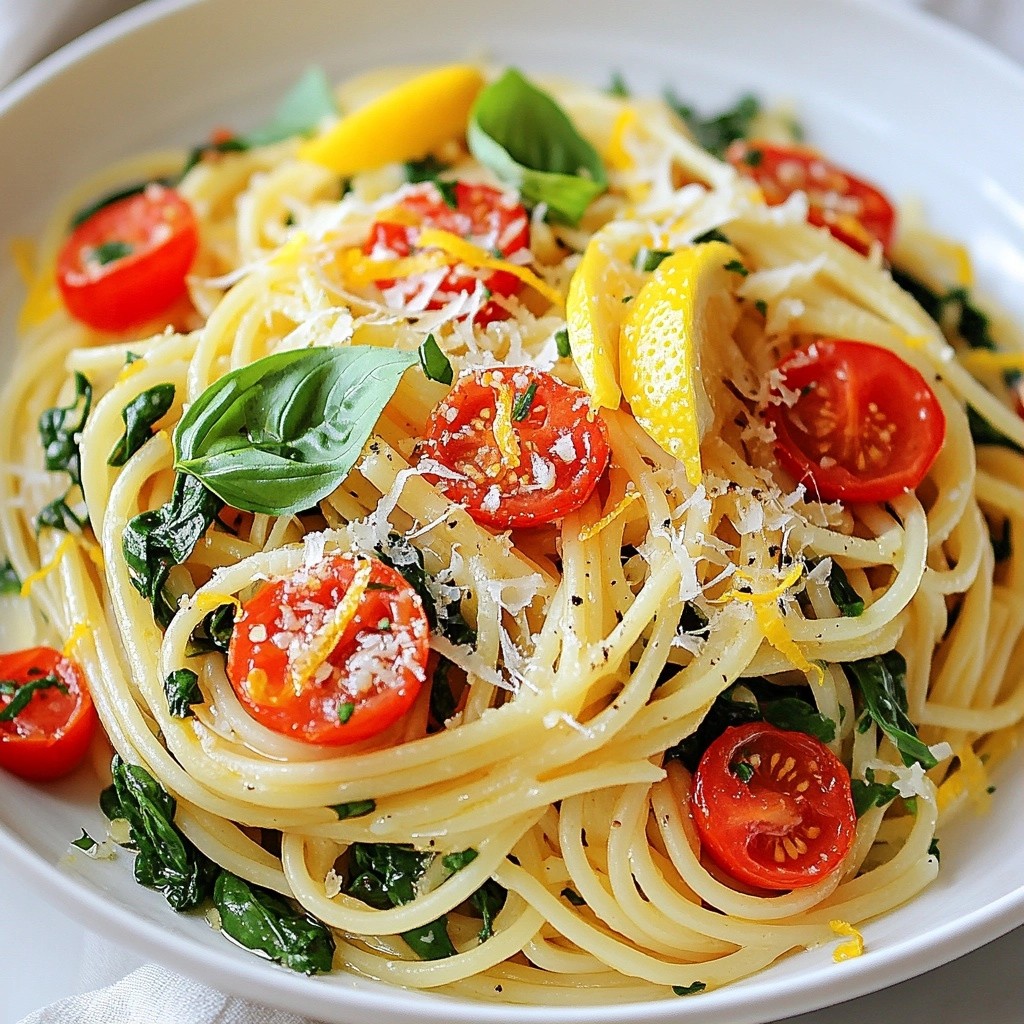
- Add lemon slices for a pop of color.
- A sprinkle of red pepper flakes can add heat.
- Toasted pine nuts or walnuts can add crunch.
- Fresh basil or chives can enhance the flavor.
These simple additions can make your plate look beautiful and add extra flavor.
Step-by-Step Instructions
Cooking the Pasta
Start by boiling a large pot of water. Make sure to add salt. Once it boils, add 8 oz of fettuccine or spaghetti. Cook it until it's al dente, which usually takes about 8-10 minutes. Remember to reserve 1 cup of pasta water before draining the pasta. Set it aside for later.
Sautéing the Asparagus and Garlic
In the same pot, pour in 2 tablespoons of olive oil and heat it over medium. Add your trimmed asparagus cut into 2-inch pieces. Sauté for about 3-4 minutes until the asparagus is tender but still crisp. After that, add 2 minced garlic cloves and let it cook for another minute. The garlic should smell fragrant.
Creating the Cream Sauce
Lower the heat to low. Pour in 1 cup of heavy cream while stirring slowly. Keep stirring for 1-2 minutes until the cream thickens a bit. Then, add in 1 cup of grated Parmesan cheese. Stir until the cheese melts and the sauce becomes smooth.
Combining all ingredients
Now, add the reserved pasta into the pot with the sauce and asparagus. Toss everything together nicely. If the sauce is too thick, add a little of the reserved pasta water until you get the creaminess you want.
Serving suggestions
Plate your creamy pasta and sprinkle fresh parsley on top. This adds a nice pop of color and freshness. You can serve it with extra lemon wedges or even some more Parmesan cheese if you like. Enjoy your meal!
Tips & Tricks
Achieving the perfect creaminess
To get that smooth, creamy texture, use heavy cream. It helps make the sauce rich. Stir it gently over low heat to avoid burning. If the sauce is too thick, add a splash of the reserved pasta water. This will help loosen it up and keep it silky smooth.
How to properly season your dish
Seasoning is key to great flavor. I recommend adding salt as you cook the pasta. It helps the pasta absorb flavor. After mixing in the lemon juice and zest, taste your dish. Adjust with more salt or freshly cracked pepper, as needed. This will elevate the entire dish.
Tips for cooking asparagus
When cooking asparagus, aim for bright green color and a crisp bite. Trim the ends to remove tough parts. Sauté in olive oil over medium heat for just a few minutes. This will keep them tender yet crunchy. Add garlic towards the end to avoid burning. This keeps the flavor fresh and vibrant.
Pro Tips
- Perfect Pasta Texture: Make sure to cook the pasta until al dente for the best texture. This will help it hold up in the creamy sauce without becoming mushy.
- Asparagus Cooking Time: Keep an eye on the asparagus while sautéing; it should be tender but still crisp. Overcooking will make it lose its vibrant color and crunch.
- Reserve Pasta Water: Always save some pasta water before draining. It can be a game-changer for adjusting the cream sauce's consistency, making it silkier and more cohesive.
- Freshness Matters: Use fresh lemon juice and zest for the best flavor. The brightness of fresh ingredients elevates the dish and brings out the richness of the cream and cheese.
Variations
Adding protein options (chicken, shrimp, etc.)
You can add protein to make this dish heartier. For chicken, grill or sauté it first. Cut it into bite-sized pieces and mix it in with the pasta. If you love shrimp, sauté them until pink and tender. Add them in right before serving. Both options boost flavor and make the meal filling.
Vegetarian and vegan adaptations
For a vegetarian twist, skip the meat and add more veggies. Broccoli or peas work great. If you want a vegan version, swap heavy cream for coconut cream or silken tofu blended smooth. Use nutritional yeast instead of Parmesan for that cheesy flavor. This keeps your meal plant-based and still delicious.
Flavor variations (herbs, spices)
You can change the flavor easily with herbs and spices. Basil or thyme adds a fresh taste. Try a pinch of red pepper flakes for some heat. Lemon zest gives a bright note. Experiment with flavors that you love. This keeps the dish exciting and allows you to make it your own.
Storage Info
Storing leftovers
You can store leftovers in an airtight container. Make sure to let the pasta cool first. Place the container in the fridge. It will last up to three days. If you want to keep it longer, consider freezing.
Reheating method recommendations
To reheat, you can use the stove or microwave. If using the stove, add a splash of water. Heat on low until warm. Stir often to avoid sticking. In the microwave, use a covered dish. Heat in short bursts, stirring in between. This keeps the pasta creamy.
Freezing options for meal prep
You can freeze this dish for meal prep. Portion it into airtight containers. Label each with the date. It can last up to three months in the freezer. When ready to eat, thaw it overnight in the fridge. Reheat using the methods above for the best taste.
FAQs
How long does the pasta take to cook?
The pasta usually takes 8 to 12 minutes to cook. Check the package for exact times. You want it al dente, which means it should be firm to the bite. Start checking a minute or two before the time is up.
Can I use a different type of pasta?
Yes, you can use any pasta you like. Fettuccine and spaghetti are great, but penne or farfalle also work well. Just adjust the cooking time based on the type you choose.
What can I substitute for heavy cream?
You can use whole milk mixed with a bit of butter. This will give you a similar richness. Another option is using cashew cream for a lighter, dairy-free choice.
How to make this recipe lighter?
To lighten this dish, use less cream or milk. You can also add more veggies or use whole grain pasta. Fresh herbs can boost flavor without adding extra calories.
This blog post covered everything you need for a great pasta dish. We discussed the key ingredients, substitutions, and helpful garnish ideas. I shared step-by-step instructions for cooking, including how to sauté and create a cream sauce. We explored tips for perfecting creaminess, seasoning, and cooking asparagus. You also learned about fun variations, storage advice, and answers to common questions.
Now you can confidently cook and enjoy a delicious meal anytime.