
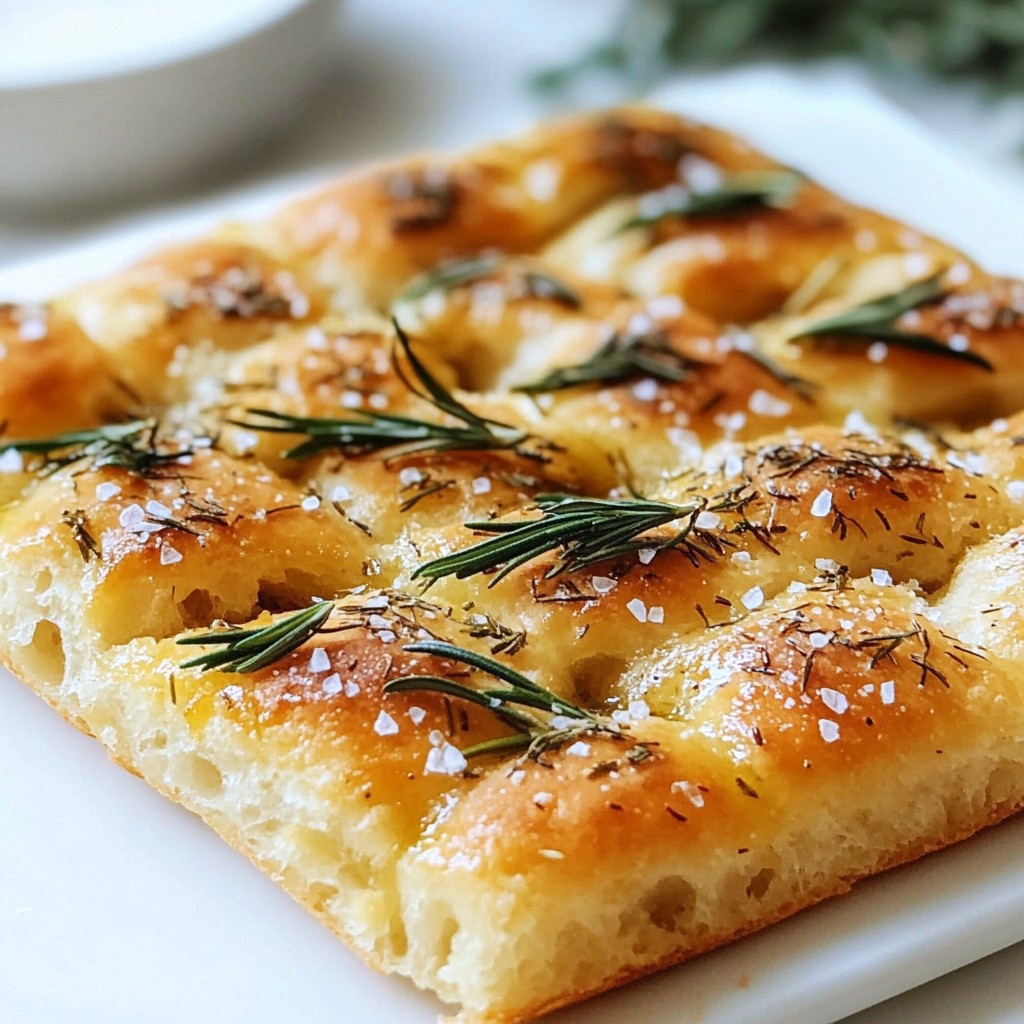
Are you ready to bake a delicious No-Knead Rosemary Focaccia? This simple bread recipe requires minimal effort and delivers big flavor. I’ll guide you through each step, from choosing fresh ingredients to achieving the perfect texture. With easy instructions and helpful tips, you’ll impress your family and friends. Let’s dive into the world of focaccia and create something special for your next meal!
Why I Love This Recipe
- Easy to Make: This focaccia requires no kneading, making it accessible for bakers of all skill levels.
- Flavorful Additions: The fresh rosemary and olive oil create a fragrant and delicious bread that's perfect for any occasion.
- Perfectly Rustic: The dimpling technique not only looks beautiful but also adds texture and helps the bread stay moist.
- Ideal for Sharing: This recipe yields 12 servings, making it perfect for gatherings or family meals.
Ingredients
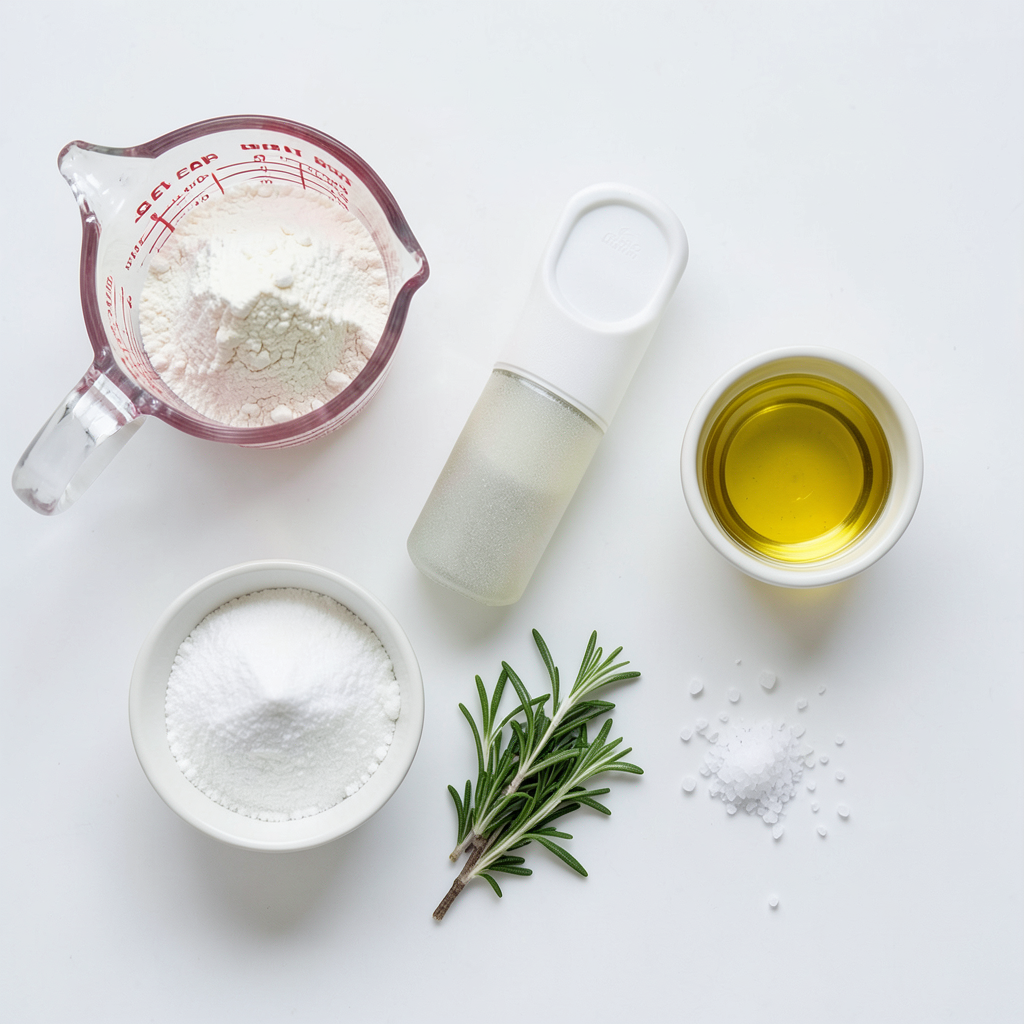
List of Essential Ingredients
To make this no-knead rosemary focaccia, you need:
- 4 cups all-purpose flour
- 2 teaspoons sea salt
- 1 packet (2 ¼ teaspoons) instant yeast
- 1 ¾ cups warm water (about 110°F)
- ¼ cup olive oil, plus more for drizzling
- 2 tablespoons fresh rosemary, chopped (plus extra sprigs for garnish)
- Coarse sea salt for sprinkling on top
Measurements and Substitutions
Using the right measurements is key. You can swap all-purpose flour with bread flour if you want a chewier texture. For a gluten-free option, try a gluten-free flour blend. If you don't have instant yeast, you can use active dry yeast, but you will need to bloom it first in warm water.
Tips for Choosing Quality Ingredients
Choose high-quality olive oil for the best flavor. Look for extra virgin olive oil, as it has a rich taste that enhances the bread. When buying rosemary, pick fresh sprigs that are bright green and fragrant. Fresh herbs make a big difference in flavor. For sea salt, use coarse salt for that perfect crunch on top.
Step-by-Step Instructions
Preparing the Dough
To make the dough, start with a large mixing bowl. Add 4 cups of all-purpose flour, 2 teaspoons of sea salt, and 1 packet of instant yeast. Whisk these dry ingredients together. This mix is key to a good rise. Slowly pour in 1 ¾ cups of warm water and ¼ cup of olive oil. Use a wooden spoon to stir until a sticky dough forms. It should feel wet and shaggy. Next, fold in 2 tablespoons of chopped fresh rosemary. This adds a lovely flavor throughout.
Rising and Resting Time
Cover the bowl tightly with plastic wrap or a clean kitchen towel. Let the dough rise at room temperature for 12 to 18 hours. It should double in size and have bubbles on the surface. This long rise is what makes the focaccia soft and airy. If you have a warm spot in your kitchen, that’s the perfect place for the dough.
Baking Process
After the dough has risen, prepare a baking pan by greasing it with olive oil. A 9x13 inch pan works well. Carefully scrape the risen dough onto the oiled pan. With wet fingers, gently spread it to fill the pan. Be careful not to deflate it too much. Use your fingers to make deep dimples all over the dough. Drizzle more olive oil on top and sprinkle with coarse sea salt. Add extra rosemary sprigs for a nice touch. Let the dough rest again for about 30 minutes while you preheat your oven to 425°F (220°C). Bake the focaccia for 25-30 minutes until it is golden brown and crisp. Once it’s done, let it cool for a few minutes in the pan before transferring it to a wire rack.
Tips & Tricks
How to Achieve the Best Texture
To get the best texture, use the right flour. I recommend all-purpose flour for a nice rise. Ensure your water is warm, about 110°F. This helps the yeast work well. Mix gently so the dough stays airy. Let it rise for 12 to 18 hours. The longer it rises, the better the flavor and texture.
Common Mistakes to Avoid
Many people rush the rising time. Don’t skip it; it’s key for great focaccia. Also, avoid overmixing the dough. You want it sticky and shaggy, not smooth. Be careful when spreading the dough in the pan. Use wet fingers to keep it from sticking. Lastly, don’t forget the coarse sea salt sprinkle. It adds a lovely crunch and flavor.
Serving Suggestions and Pairings
This focaccia shines when served warm. Drizzle more olive oil on top for extra flavor. Pair it with a simple salad or soup. It also works great with dips like hummus or olive tapenade. For a fun twist, slice it for sandwiches or serve it with cheese. Enjoy it fresh, and your guests will love it!
Pro Tips
- Use Fresh Ingredients: Fresh rosemary and high-quality olive oil will enhance the flavor of your focaccia. Always choose the best ingredients for the best taste.
- Don't Rush the Rise: Allowing the dough to rise for the full 12-18 hours develops the flavor and texture. Patience is key for a delicious focaccia.
- Experiment with Toppings: Feel free to add other toppings like olives, sun-dried tomatoes, or garlic for a unique twist on traditional focaccia.
- Serve Warm: Focaccia is best enjoyed warm. Reheat any leftovers in the oven for a few minutes to restore its crispy texture.
Variations
Flavor Add-ins
You can make your focaccia even tastier by adding fun flavors. Try folding in chopped olives or sun-dried tomatoes. Both give a unique twist and add salty, rich notes. You can also mix in some cheese, like feta or mozzarella, for a creamy touch. Just remember to keep the dough wet enough for these add-ins.
Gluten-Free Option
If you need a gluten-free focaccia, swap the all-purpose flour for a gluten-free blend. Look for a mix that works well in bread recipes. Also, add a bit of extra water to keep the dough moist. The taste and texture may change, but you’ll still get a delicious bread.
Different Herbs and Seasonings
Feel free to experiment with herbs and spices. You can use thyme, oregano, or basil to change the flavor profile. For a spicy kick, try adding crushed red pepper flakes. These options create a tasty focaccia that suits your taste and mood. Each herb brings its special touch that makes your bread unique.
Storage Info
How to Store Leftover Focaccia
To keep your focaccia fresh, wrap it in plastic wrap or foil. Place it in an airtight container. This helps the bread stay soft and moist for a few days. You can store it at room temperature for up to three days. If you want it to last longer, consider freezing it.
Freezing Tips and Thawing Methods
If you have extra focaccia, freezing is a great option. Wrap each piece in plastic wrap, then place them in a freezer bag. This keeps them from getting freezer burn. You can freeze focaccia for up to three months. When you are ready to eat it, take out the desired amount. Let it thaw in the fridge overnight or at room temperature for a few hours.
Best Ways to Reheat
To reheat focaccia, preheat your oven to 350°F (175°C). Place the focaccia on a baking sheet. Heat for about 10-15 minutes. This will make it warm and crispy again. You can also microwave it for about 15-20 seconds. However, the oven gives better texture. Drizzle some olive oil on top for extra flavor while reheating!
FAQs
What does 'no-knead' mean?
'No-knead' means you don't need to knead the dough. Instead, you mix the ingredients and let them rise. This method uses time to develop gluten. The dough becomes soft and stretchy without much effort. You can relax while it rises! This technique is great for busy cooks.
Can I use active dry yeast instead of instant yeast?
Yes, you can use active dry yeast. Just remember to activate it first. Mix it with warm water and a bit of sugar. Let it sit for about five to ten minutes. Once it bubbles, add it to your dough. Instant yeast works faster, making it a good choice for this recipe.
How do I know when the focaccia is done baking?
The focaccia is done when it's golden brown on top. You can tap it lightly; it should sound hollow. Use a toothpick or skewer to check the center. If it comes out clean, your bread is ready. Let it cool before slicing to keep it soft and fluffy.
In this post, we covered the key ingredients for focaccia, along with their measurements and quality tips. Next, we outlined the step-by-step process, from preparing the dough to baking. I shared useful tips for texture and common mistakes to avoid. You can also explore fun variations and storage options.
By following these guidelines, you can make delicious focaccia at home. Enjoy the process and get creative with your flavors!