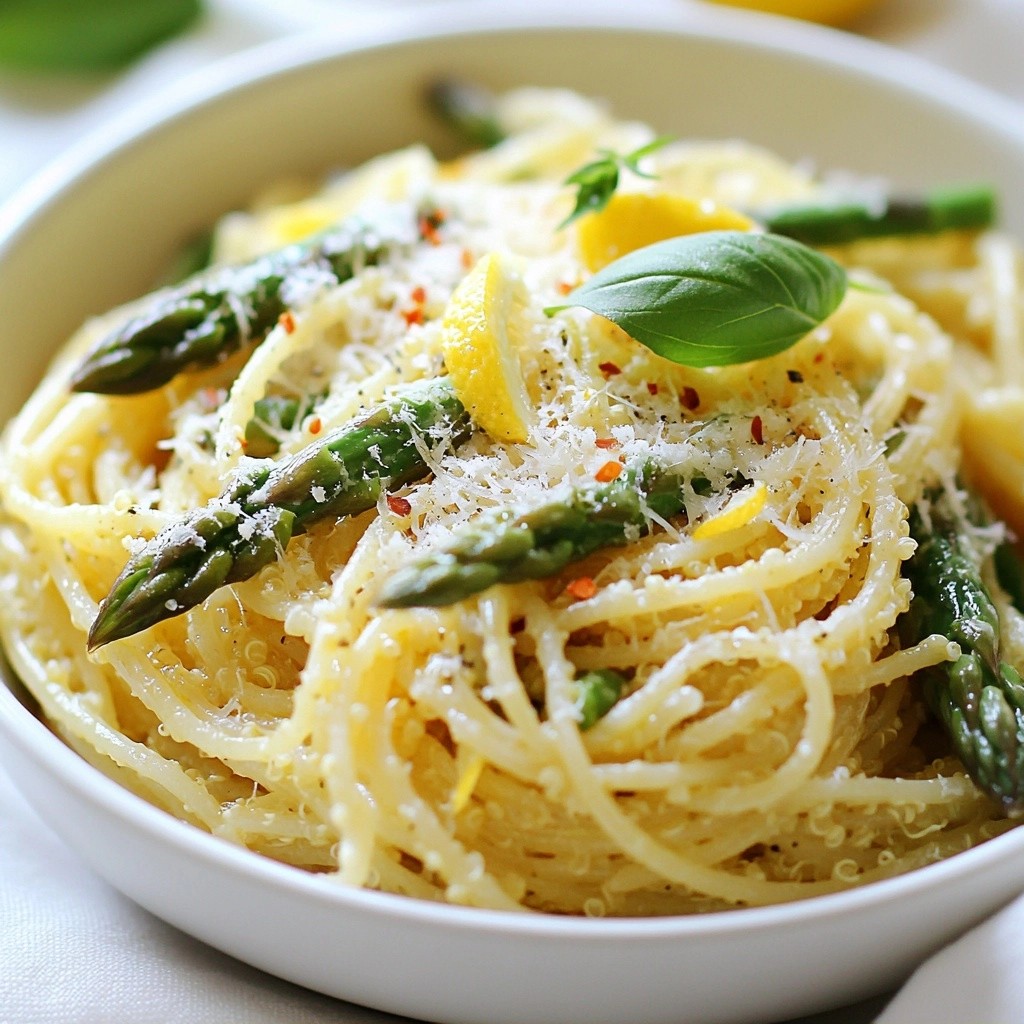
Are you ready to elevate your pasta game? My Lemon Herb Quinoa Pasta with Asparagus Delight is both fresh and flavorful. This dish combines the nutty taste of quinoa pasta with crisp asparagus and zesty lemon. It's perfect for a quick weeknight dinner or a light lunch. Packed with vibrant herbs and easy to make, this recipe will become your new favorite. Let's dive in and bring some sunshine to your table!
Why I Love This Recipe
- Fresh and Vibrant Flavors: This dish combines the zesty brightness of lemon with the earthy notes of asparagus, creating a refreshing and vibrant meal.
- Healthy and Nutritious: Using quinoa pasta makes this recipe gluten-free and packed with protein, while asparagus adds vitamins and minerals.
- Quick and Easy Preparation: With a total prep and cook time of just 25 minutes, this recipe is perfect for busy weeknights.
- Customizable: You can easily adjust the ingredients by adding other vegetables or proteins, making it versatile for any taste preference.
Ingredients
Main Ingredients
- 8 oz quinoa pasta
- 1 bunch asparagus, trimmed and cut into 2-inch pieces
- 2 tablespoons olive oil
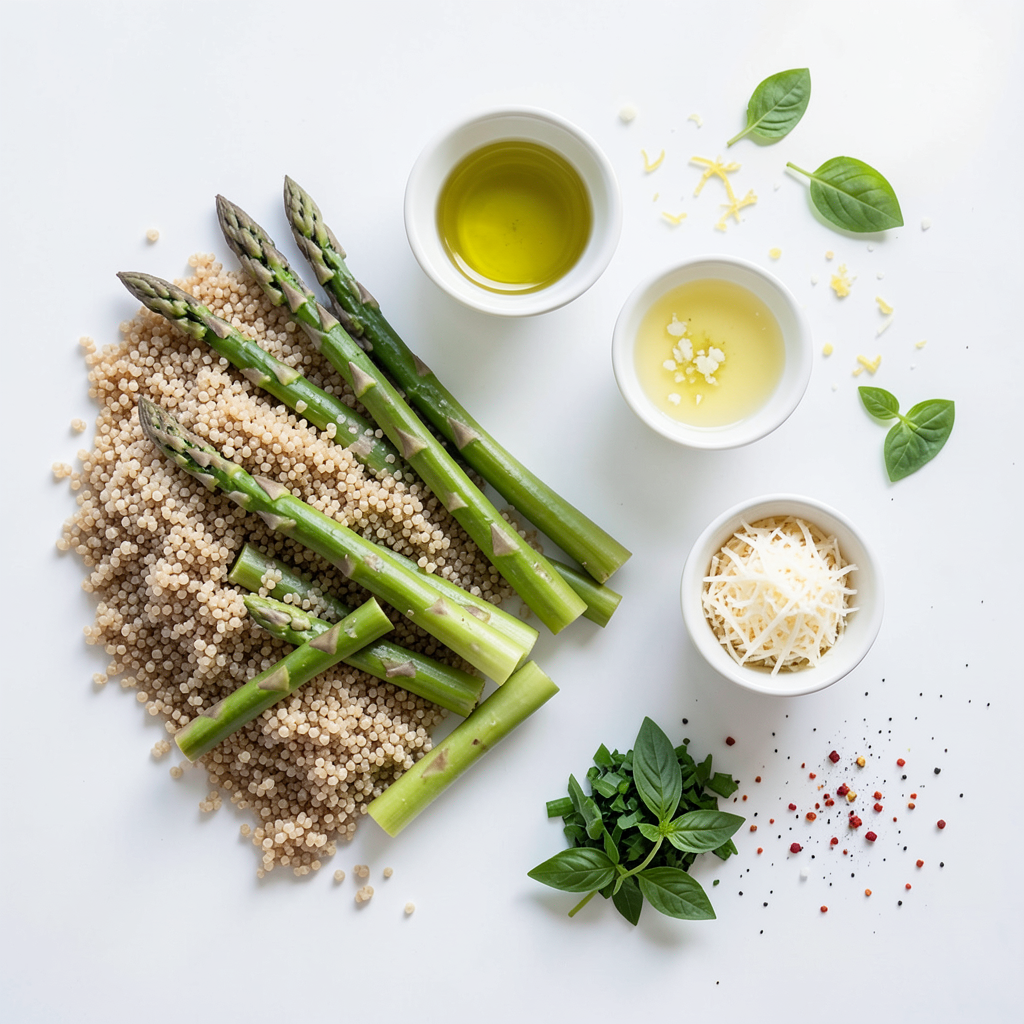
The main ingredients create the base of this dish. Quinoa pasta brings a nutty flavor and is gluten-free. Asparagus adds a fresh and crisp bite. Olive oil enhances the overall texture and richness.
Flavor Boosters
- 3 cloves garlic, minced
- Zest of 1 lemon
- 3 tablespoons fresh lemon juice
- 1/4 cup grated Parmesan cheese
Flavor boosters elevate this dish. Garlic gives a warm, savory note. Lemon zest brightens the pasta with citrusy freshness. Fresh lemon juice adds tang. Parmesan cheese provides a salty depth.
Fresh Herbs & Seasoning
- 1/4 cup fresh basil, chopped
- 1/4 teaspoon red pepper flakes (optional)
- Salt and pepper to taste
Fresh herbs and seasoning round out the dish. Basil adds a sweet, herbal flavor. Red pepper flakes can add a hint of heat. Salt and pepper enhance all the flavors in the dish.
Step-by-Step Instructions
Cooking the Quinoa Pasta
To start, you need a large pot. Fill it with salted water and bring it to a boil. This is key for flavor. Once the water is boiling, add 8 oz of quinoa pasta.
You should cook the pasta according to the package instructions. Usually, this takes about 8 to 10 minutes. To check if it’s done, taste a piece. You want it to be al dente, which means it should still have a bit of bite. After cooking, reserve 1/2 cup of the pasta water. This water helps with the sauce later. Drain the pasta and set it aside.
Preparing the Asparagus
Next, grab a bunch of asparagus. Trim the tough ends off and cut the asparagus into 2-inch pieces. This makes them easy to eat and cook.
In the same pot you used for the pasta, add the asparagus pieces. Blanch them for 2-3 minutes. You want them to be bright green and tender-crisp. After blanching, drain the asparagus and set it aside with the pasta.
Combining Ingredients
Now, it’s time to put everything together. Heat 2 tablespoons of olive oil in a large skillet over medium heat. Add 3 cloves of minced garlic and sauté for about 1 minute. You want it fragrant, not brown.
Next, stir in the lemon zest and the reserved pasta water. Bring this to a gentle simmer and cook for 1-2 minutes. This will create a lovely sauce base.
Add the cooked quinoa pasta and the asparagus to the skillet. Pour in 3 tablespoons of fresh lemon juice and toss everything together. Make sure it’s well mixed.
Finally, remove the skillet from heat. Stir in 1/4 cup of grated Parmesan cheese, 1/4 cup of chopped basil, and red pepper flakes if you like some heat. Season with salt and pepper to taste. Serve the dish warm, and enjoy your Lemon Herb Quinoa Pasta with Asparagus!
Tips & Tricks
Cooking Tips
- How to achieve the perfect al dente texture: Start with a large pot of salted water. Boil it well before adding the quinoa pasta. Follow the package instructions closely. Check for doneness a minute or two before the time ends. You want it firm yet tender. This gives you that ideal al dente bite.
- Ensuring bright green asparagus: Trim the ends of the asparagus first. Cut them into 2-inch pieces. Blanch them in boiling water for just 2-3 minutes. This keeps them bright green and crisp. After blanching, immediately transfer them to ice water to stop cooking. This method locks in color and crunch.
Flavor Enhancements
- Substitute options for Parmesan cheese: If you want to skip the Parmesan, try nutritional yeast for a cheesy taste. Vegan cheese is another great option. You can also use a mix of crushed nuts for texture and flavor.
- Adjusting lemon flavor intensity: For a milder lemon taste, use less lemon juice. Start with one tablespoon and taste. If you want more zing, add zest and juice gradually. This allows you to find the right balance for your palate.
Serving Suggestions
- Best garnishes to enhance presentation: Fresh basil leaves add a pop of green. You can sprinkle extra grated cheese on top. A drizzle of olive oil gives a nice shine. Red pepper flakes can add a colorful touch.
- Pairing ideas with other dishes: This pasta pairs well with grilled chicken or fish. A fresh salad on the side complements the meal. You can also serve it with crusty bread for a hearty dinner.
Pro Tips
- Cook Pasta Al Dente: Ensure that you cook the quinoa pasta just until al dente for the best texture. It will continue to cook slightly when mixed with the hot sauce.
Variations
Protein Additions
You can enhance this dish with protein. Grilled chicken or shrimp pairs well with the light flavors. They add a nice texture and boost your meal’s heartiness. If you prefer a vegetarian option, try adding tofu or chickpeas. Both options keep the dish filling and nutritious.
Vegetable Alternatives
Feel free to mix in other seasonal vegetables. Broccoli, for example, adds a nice crunch. Bell peppers bring a sweet flavor, while spinach adds a soft texture. These vegetables not only add color but also increase the nutrients in your meal.
Gluten-Free Options
If you need a gluten-free dish, there are many great pasta choices. Look for gluten-free quinoa pasta or explore options made from rice or lentils. These alternatives make this dish accessible for everyone. You can still enjoy the same bright flavors and textures while keeping it gluten-free.
Storage Info
Storing Leftovers
To keep your Lemon Herb Quinoa Pasta fresh, place it in an airtight container. Store it in the fridge. It stays good for about 3 to 5 days. Make sure to let it cool before sealing. This helps avoid excess moisture, which can make it soggy.
Freezing Instructions
If you want to freeze it, use a freezer-safe container. Allow the pasta to cool first. Portion it out for easy meals later. It can last for about 2 to 3 months in the freezer. When reheating, thaw it overnight in the fridge. Heat it gently on the stove with a splash of water or broth. This helps bring back the right texture and taste.
Meal Prep Ideas
Meal prepping makes life easier. You can cook the quinoa pasta and asparagus ahead of time. Store them separately to keep the texture nice. Chop your garlic and basil in advance too. This way, you have all you need for quick meals during the week. Just mix everything in a skillet when you're ready to eat. It’s fast and simple!
FAQs
What is quinoa pasta made from?
Quinoa pasta is made from quinoa flour and water. It has a nutty flavor and firm texture. This pasta is naturally gluten-free, making it a great option for those with gluten sensitivities. Nutritionally, quinoa pasta is rich in protein, fiber, and essential amino acids. It provides more nutrients than traditional wheat pasta, helping you feel full and satisfied.
Can I make this recipe vegan?
Yes, you can easily make this dish vegan! Instead of Parmesan cheese, try using nutritional yeast. It adds a cheesy flavor without dairy. You can also use plant-based butter or olive oil to enhance the taste. For extra protein, add chickpeas or tofu. This makes the dish hearty while keeping it plant-based.
Is this dish suitable for meal prepping?
Yes, this dish is great for meal prep! Store leftovers in airtight containers in the fridge. They will stay fresh for about three to four days. When reheating, add a splash of water to keep it moist. You can also freeze the pasta, but it’s best eaten fresh. Use it within three months for the best taste.
This blog post covered a flavorful dish that combines quinoa pasta, fresh asparagus, and savory ingredients. You learned how to cook the pasta and prepare asparagus for the best taste. I shared tips for enhancing flavor and suggested variations to fit your diet. Storage advice ensures you can enjoy leftovers later. Remember, cooking is all about experimentation. Take these tips, try new twists, and make this recipe your own. Enjoy creating healthy meals that delight your taste buds!