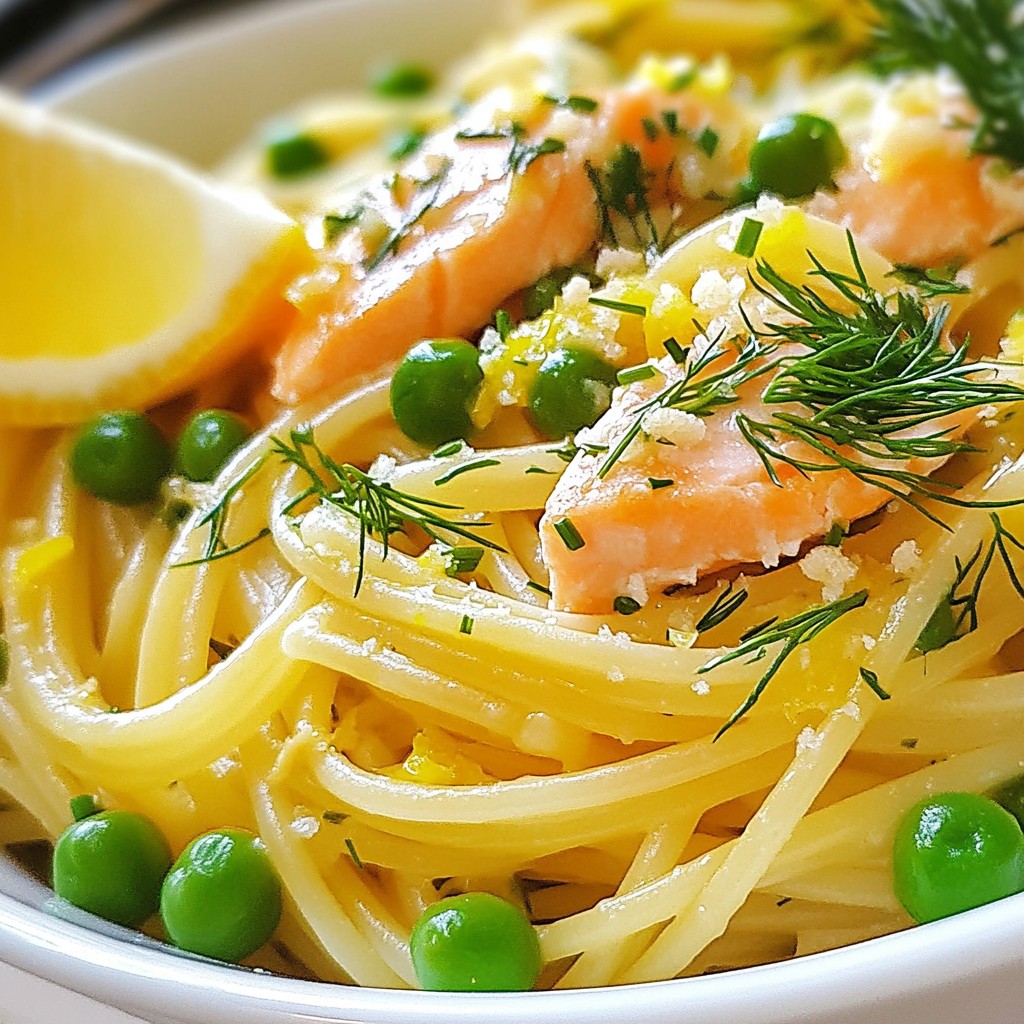
Are you ready to spice up your dinner routine? Lemon Dill Salmon Spaghetti with Peas Delight is a fresh and satisfying dish that bursts with flavor! This recipe combines tender salmon with bright lemon and sweet peas, making it perfect for any meal. I’ll guide you through simple steps and share tips to ensure your dinner is a hit. Let’s dive into this delicious recipe right now!
Why I Love This Recipe
- Fresh and Flavorful: The combination of lemon and dill adds a bright, refreshing flavor that perfectly complements the rich salmon.
- Quick and Easy: This dish comes together in just 30 minutes, making it perfect for a weeknight dinner.
- Healthy and Nutritious: Salmon is packed with omega-3 fatty acids, and incorporating peas adds a boost of vitamins and fiber.
- Customizable: You can easily swap out ingredients or add extra veggies to suit your taste!
Ingredients
List of Ingredients
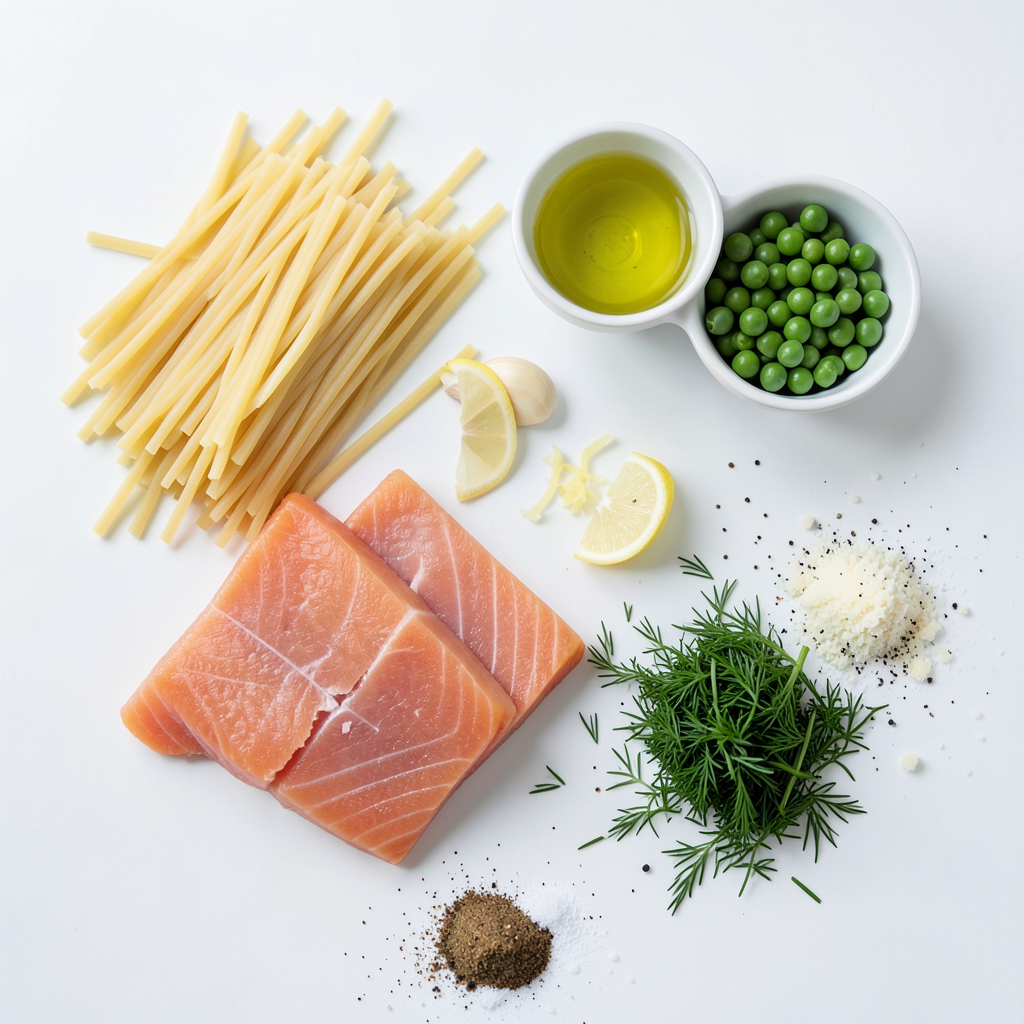
To make Lemon Dill Salmon Spaghetti with Peas, gather these items:
- 8 oz spaghetti
- 1 lb salmon fillets
- 1 cup fresh or frozen peas
- 2 tablespoons olive oil
- 2 cloves garlic, minced
- 1 lemon (zested and juiced)
- 2 tablespoons fresh dill, chopped (or 1 tablespoon dried dill)
- Salt and pepper to taste
- Grated Parmesan cheese for serving (optional)
Fresh vs. Frozen Ingredients
Using fresh ingredients often gives the best flavor. Fresh salmon has a bright taste and firm texture. Fresh peas add sweetness and color. However, frozen options can be great too. They are picked at peak ripeness, so they can be full of flavor. Frozen salmon is also easy to find and can save you time. If using frozen peas, add them directly to the pan without thawing. Both fresh and frozen ingredients can work well in this dish.
Tips for Selecting Quality Salmon
When choosing salmon, look for bright, moist fillets. The flesh should be firm and spring back when pressed. Avoid any fish that has a strong fishy smell. For sustainability, check for labels that say "wild-caught" or "sustainably farmed." These choices help protect our oceans. If you find a good deal on salmon, buy it! You can freeze it for later use.
Step-by-Step Instructions
Cooking the Spaghetti
Start by bringing a large pot of salted water to a boil. Add 8 ounces of spaghetti and cook it until al dente. This usually takes about 8 to 10 minutes, but check the package for exact times. Once the pasta is cooked, save one cup of the pasta water before draining the spaghetti. Set the drained spaghetti aside for later.
Preparing and Searing the Salmon
While the spaghetti cooks, season 1 pound of salmon fillets with salt and pepper. Heat 1 tablespoon of olive oil in a large skillet over medium-high heat. When the oil is hot, place the salmon fillets in the skillet, skin-side down. Sear the salmon for 4 to 5 minutes. Then, flip the fillets and cook for another 3 to 4 minutes until they are fully cooked. Once done, remove the salmon from the skillet and set it aside.
Sautéing Garlic and Peas
In the same skillet, lower the heat to medium and add the remaining tablespoon of olive oil. Toss in 2 cloves of minced garlic and sauté for about 30 seconds until it becomes fragrant. Next, add 1 cup of peas, whether fresh or frozen. Cook the peas for about 2 to 3 minutes until they are heated through.
Combining Ingredients and Final Toss
Now, crumble the cooked salmon into bite-sized pieces and add it to the skillet with the peas. Pour in the juice and zest of one lemon, and sprinkle 2 tablespoons of chopped fresh dill on top. Stir everything together gently. Add the drained spaghetti to the skillet and mix it all. If the mixture seems dry, add some reserved pasta water to create a light sauce. Adjust the seasoning with more salt and pepper if needed.
Tips & Tricks
How to Cook Perfectly Flaky Salmon
To get flaky salmon, use fresh fillets. Look for bright color and no strong odor. Season with salt and pepper right before cooking. Heat your skillet until it’s hot. Place the salmon skin-side down in the pan. Cook for about 4-5 minutes. This sears the skin and locks in moisture. Flip the salmon and cook for another 3-4 minutes. It should flake easily with a fork when done. This method keeps the salmon tender and juicy.
Adjusting Seasoning for Personal Taste
Taste is key in any dish. Start with the basic seasonings of salt and pepper. After combining the pasta, salmon, and peas, taste your mix. If it lacks flavor, add more lemon juice or dill. You can also try a pinch of red pepper flakes for some heat. Remember, you can always add more, but you can’t take it out. Keep adjusting until it fits your taste buds.
Preventing Spaghetti from Getting Soggy
Nobody likes soggy spaghetti. To avoid this, cook the pasta to al dente. This means it should have a slight bite when you chew it. Reserve some pasta water before draining. This water helps bind the sauce later. When mixing with the salmon and peas, add the reserved water a little at a time. This keeps the pasta from becoming mushy. Toss gently to combine everything without breaking the spaghetti.
Pro Tips
- Fresh Salmon is Best: Always opt for fresh salmon fillets for the best flavor and texture. If using frozen, ensure they are completely thawed before cooking.
- Don’t Overcook the Salmon: Keep an eye on the salmon while cooking; it should flake easily with a fork but still retain some moisture for the best taste.
- Customize Your Herbs: Feel free to experiment with different herbs like parsley or basil if dill isn't your favorite, but keep the lemon for that bright flavor.
- Use Reserved Pasta Water: The reserved pasta water helps to create a light, creamy sauce. Add it gradually until you reach your desired consistency.
Variations
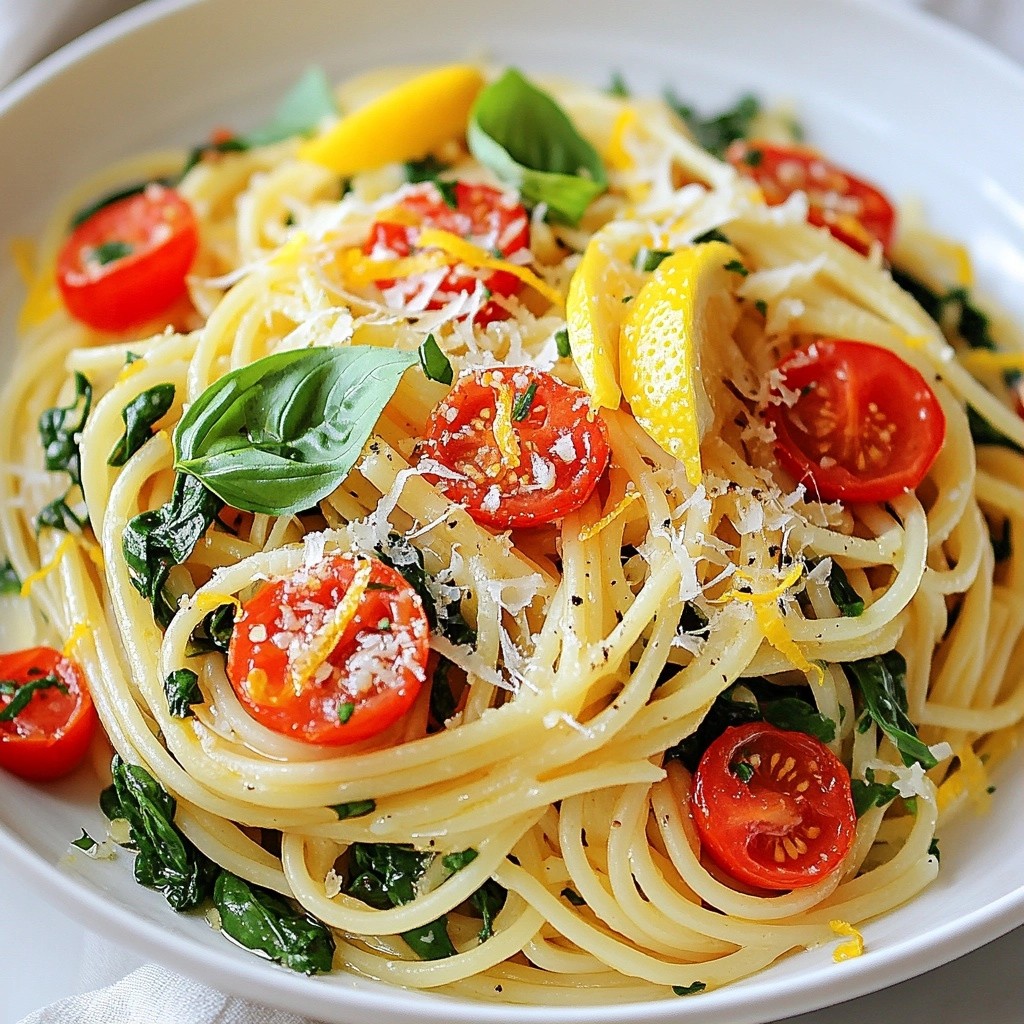
Additions for Extra Flavor (e.g., cherry tomatoes, spinach)
You can easily add more flavor to this dish. Cherry tomatoes add a sweet burst. Just slice them in half and toss them in when you sauté the peas. Spinach is another great choice. It wilts quickly and gives a nice green touch. You can add about two cups and mix it in with the salmon. Both options enhance the taste and nutrition.
Substituting Salmon with Other Proteins
If you want a change, try other proteins. Chicken can work well. Cook it just like the salmon, seasoning it with salt and pepper. Shrimp is another tasty option. Sauté it until pink, which takes about three minutes. For a plant-based version, use firm tofu. Press and cube the tofu, then sauté it until golden brown. Each swap brings a new twist to the dish.
Making it a Dairy-Free Dish
To keep this dish dairy-free, just skip the Parmesan cheese. You can still enjoy a creamy texture. Try adding a splash of coconut milk or a dollop of dairy-free yogurt. Nutritional yeast can also give a cheesy flavor without dairy. This way, you can enjoy Lemon Dill Salmon Spaghetti with Peas, even if you avoid dairy.
Storage Info
Best Practices for Storing Leftovers
To keep your Lemon Dill Salmon Spaghetti fresh, store it in an airtight container. Let the dish cool down before sealing it. This helps prevent moisture build-up. You can store it in the fridge for up to three days. If you want to keep it longer, freezing is a good option.
Reheating Tips for Optimal Taste
When reheating, I suggest using the stovetop. This method helps keep the salmon flaky. Place the leftovers in a skillet over low heat. Add a splash of water or broth to keep it moist. Stir gently until heated through. Avoid using the microwave, as it can make the pasta mushy.
Freezing Options for Meal Prep
Freezing your Lemon Dill Salmon Spaghetti is simple. Divide the dish into single servings. Place each serving in a freezer-safe container or bag. Make sure to remove as much air as possible. You can freeze it for up to three months. To reheat, let it thaw overnight in the fridge before warming it on the stove.
FAQs
Can I make this dish ahead of time?
Yes, you can make this dish ahead of time. Cook the spaghetti and salmon, then mix them with the peas and sauce. Store in the fridge for up to two days. Reheat gently on the stove or in the microwave.
What can I substitute for dill?
If you do not have dill, you can use parsley or basil. Both herbs add a fresh taste. You can also try tarragon for a unique flavor twist.
How do I know when the salmon is done cooking?
Salmon is done when it flakes easily with a fork. It should look opaque and have a light pink color inside. Cooking time varies based on thickness, usually around 8-10 minutes total.
Is this recipe suitable for meal prep?
Yes, this recipe is great for meal prep! It packs well in containers and stores nicely. Just be sure to keep the sauce separate until ready to eat to avoid soggy pasta.
Can I use a different type of pasta?
Absolutely! You can use any pasta you like. Penne, fusilli, or even whole wheat pasta works well. Just adjust cooking times based on the pasta you choose.
In this blog post, we covered the key ingredients and step-by-step instructions for a tasty salmon pasta dish. You learned how to choose fresh salmon, cook perfect spaghetti, and add your favorite twists. Remember, adjusting flavors and textures can make this meal your own. Store leftovers properly and reheat for great taste. Whether you're a beginner or a pro, this dish is easy and fun. Enjoy your cooking journey and keep exploring new flavors!