WANT TO SAVE THIS RECIPE?
If you crave a vibrant and easy dish, look no further than bibimbap. This classic Korean meal is colorful, tasty, and easy to make. I will guide you step by step, from choosing ingredients to putting it all together. You can even customize it to fit your taste! Get ready to wow your friends and family with a simple recipe that’s packed with flavor. Let’s dive in!
Why I Love This Recipe
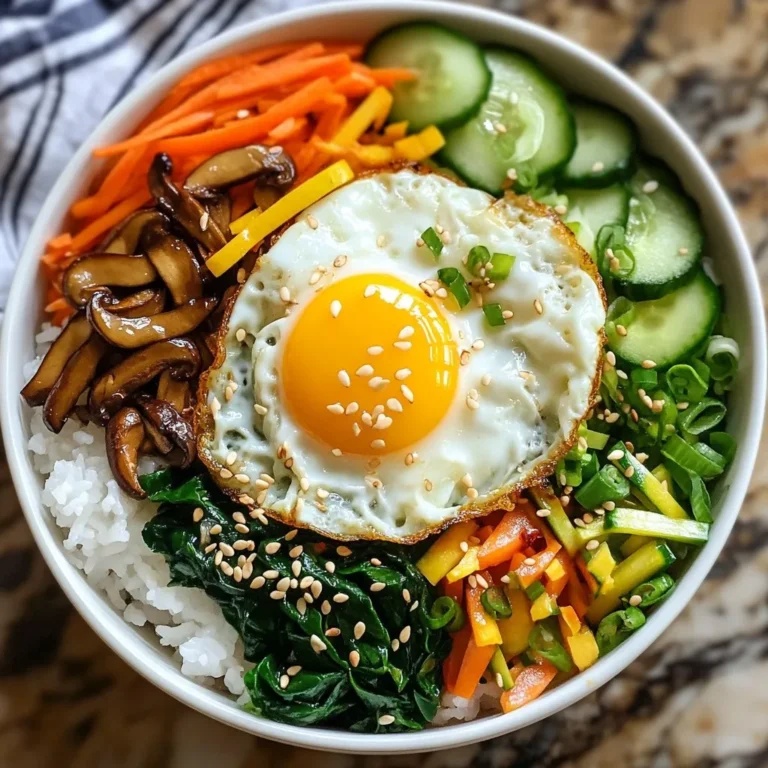
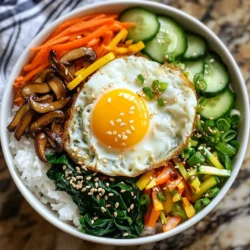
- Colorful Presentation: This bibimbap is a feast for the eyes with its vibrant array of vegetables, making it not only tasty but also visually appealing.
- Healthy Ingredients: Packed with fresh vegetables and nutritious elements, this dish is a wholesome choice for a balanced meal.
- Customizable Flavor: You can easily adjust the toppings and spice level to suit your taste, making it a versatile recipe.
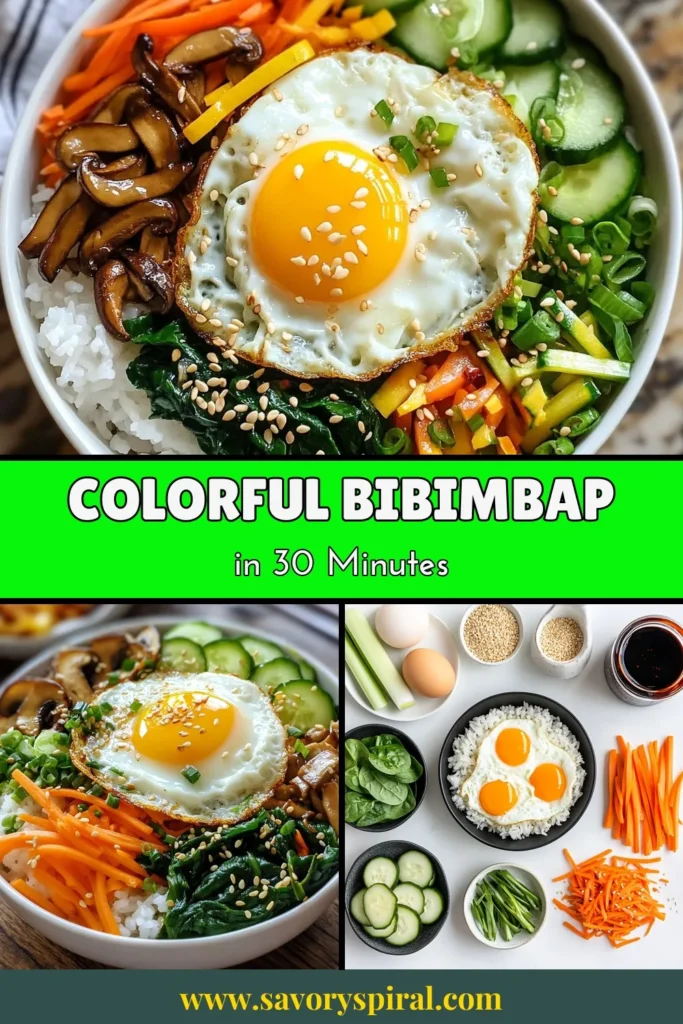
- Quick and Easy: With a total prep time of just 30 minutes, you can whip up a delicious meal in no time!
Ingredients
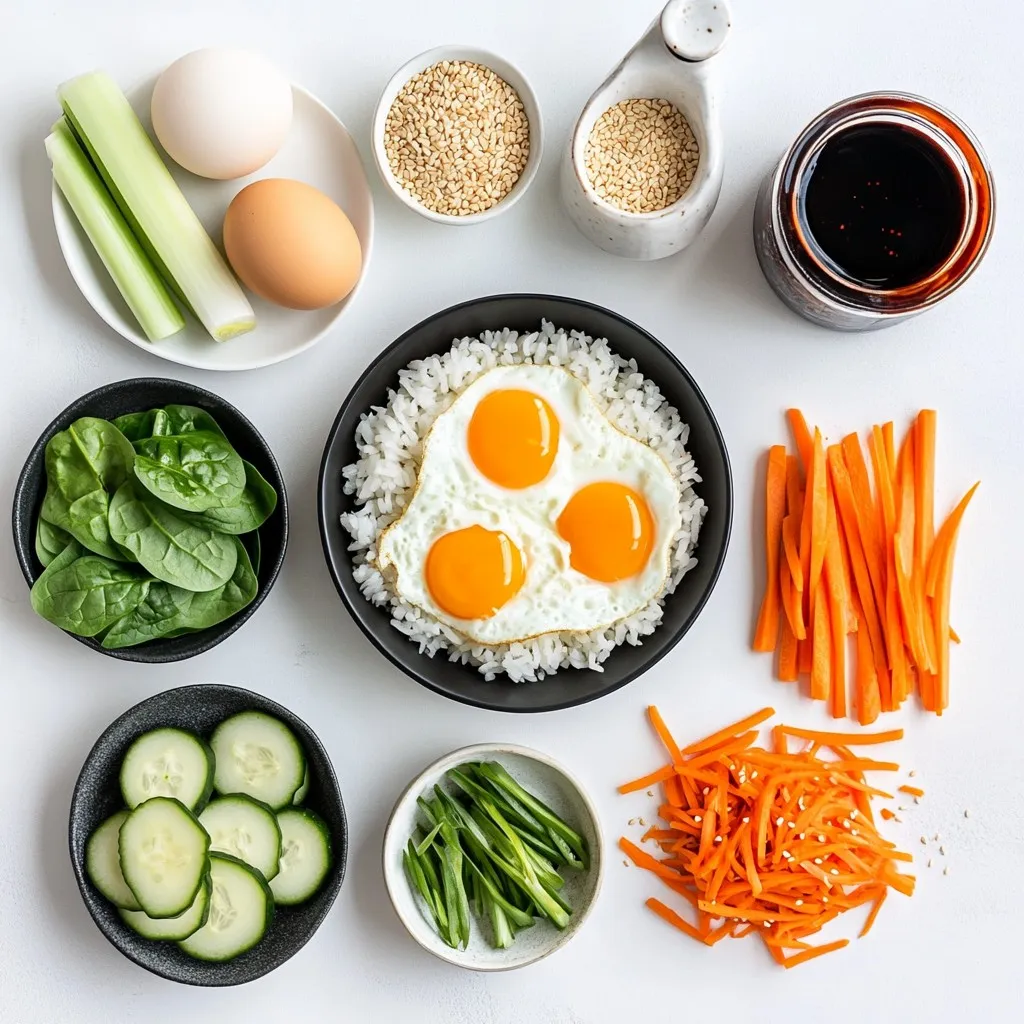
List of Ingredients
– 2 cups cooked white rice
– 1 cup spinach, blanched
– 1 cup carrot, julienned
– 1 cup cucumber, julienned
– 1 cup bean sprouts, blanched
– 1 cup shiitake mushrooms, sliced
– 2 eggs
– 2 tablespoons sesame oil
– 2 tablespoons gochujang (Korean chili paste)
– 1 tablespoon soy sauce
– 1 tablespoon sesame seeds
– Salt and pepper to taste
– Green onions, chopped, for garnish
Optional Ingredients for Customization
– You can add radishes for crunch.
– Zucchini can be a nice touch too.
– Try adding kimchi for extra flavor.
– Use tofu for a vegetarian boost.
– Add beef or chicken for a meaty option.
Common Substitutions
– Use brown rice instead of white for more fiber.
– Spinach can be swapped with kale or Swiss chard.
– Shiitake mushrooms can be replaced with button mushrooms or any favorite type.
– If you don’t have gochujang, use sriracha for heat.
– Replace soy sauce with tamari for gluten-free needs.

Step-by-Step Instructions
Preparing the Vegetables
Blanching Method for Spinach and Bean Sprouts
Start by boiling water in a pot. Add the spinach and bean sprouts one at a time. Blanch each for 1-2 minutes. This makes them bright and soft. Drain them well and set aside.
Sautéing Shiitake Mushrooms and Carrots
In a pan, heat 1 tablespoon of sesame oil over medium heat. Add the sliced shiitake mushrooms. Sauté until they are tender, about 3-4 minutes. Sprinkle with salt and pepper. Remove them from the pan and set aside. Next, add the julienned carrots to the same pan. Cook them for 2-3 minutes. They should be soft but still crisp. Set them aside too.
Briefly Sautéing Cucumber
Finally, add the julienned cucumber to the pan. Sauté briefly for about 1-2 minutes. You just want to warm it up. Once done, set it aside with the other veggies.
Preparing the Eggs
Cooking Eggs Sunny-Side Up
Grab a small pan and heat it on the stove. Fry the eggs sunny-side up. Cook until the whites are firm but the yolks are still runny. Sprinkle a pinch of salt on top for taste.
Assembling the Bibimbap
Layering Ingredients in the Bowl
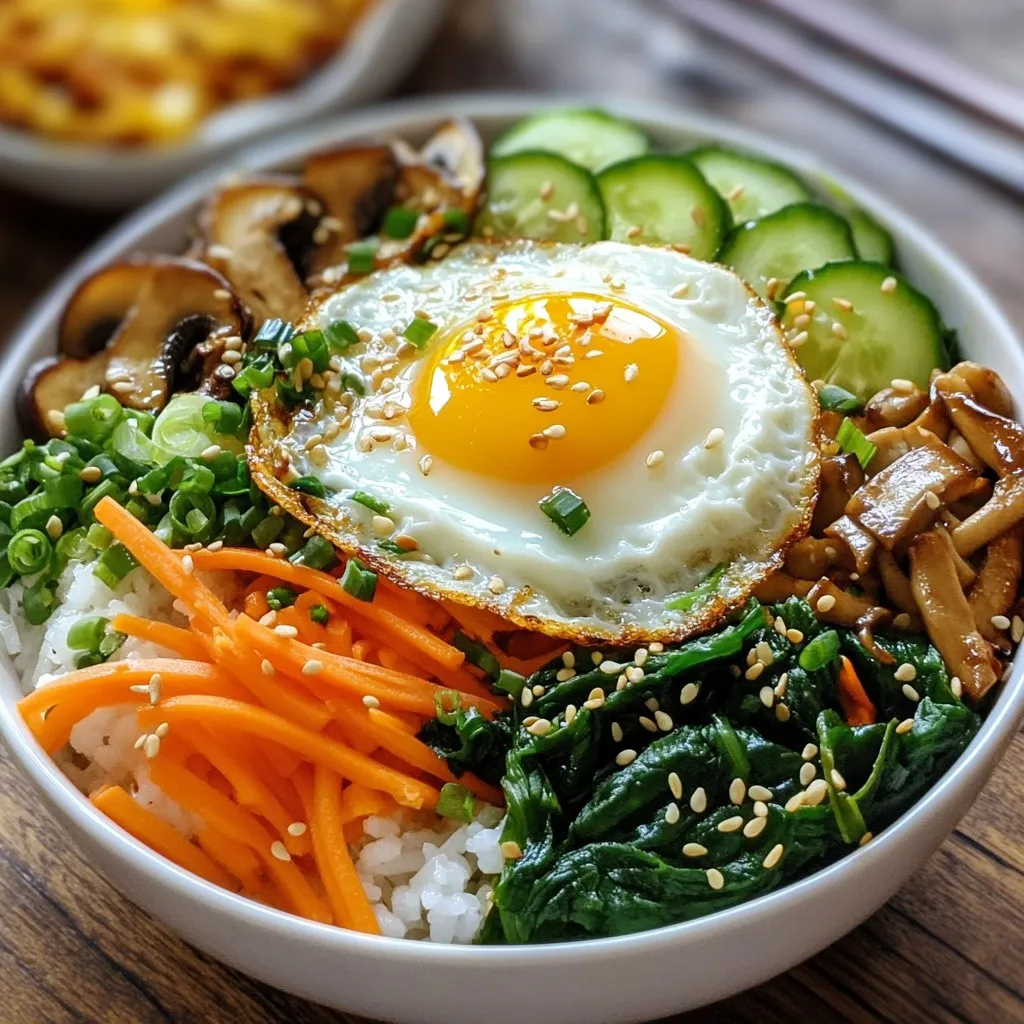
In a large bowl, place a serving of cooked white rice at the bottom. Neatly arrange the blanched spinach, sautéed carrots, cucumber, bean sprouts, and mushrooms around the rice.
Final Touches with Sauces and Garnishes
Top the bowl with the fried egg. Drizzle the remaining sesame oil and soy sauce over the ingredients. Serve with gochujang on the side or on top. Finish with a sprinkle of sesame seeds and chopped green onions for extra flavor and crunch.
Tips & Tricks
Cooking Rice Perfectly
To make great bibimbap, start with the right rice. Use short-grain white rice for the best texture. Rinse the rice in cold water until the water runs clear. This removes excess starch. Then, soak the rice for at least 30 minutes. This helps it cook evenly. Cook the rice with a 1:1 water-to-rice ratio. Use a rice cooker for easy cooking. Let the rice sit for 10 minutes after cooking. This makes it fluffy and ready for your bibimbap.
Serving Suggestions for Bibimbap
Presentation matters in bibimbap. Use a large, shallow bowl for a beautiful display. Start with the rice at the bottom. Arrange the veggies around the rice in colorful sections. This makes it look appealing. Top with a sunny-side-up egg. For added crunch, sprinkle sesame seeds and chopped green onions. Serve with gochujang on the side. This lets everyone adjust the spice level. You can also add kimchi for an extra kick!
Enhancing Flavor with Sauces
Sauces bring life to your bibimbap. Gochujang is a must for its spicy and sweet taste. Mix 2 tablespoons of gochujang with 1 tablespoon of soy sauce for extra flavor. You can also add a dash of sesame oil for richness. If you want a milder taste, mix gochujang with a bit of sugar. This balances the heat. Experiment with sauces until you find your favorite combination. Enjoy the flavors of your creation!
Pro Tips
- Fresh Vegetables: Use fresh, seasonal vegetables for the best flavor and nutrition. They add vibrant color and texture to your bibimbap.
- Rice Texture: Make sure your rice is fluffy and not too sticky. Rinse the rice before cooking to remove excess starch for a perfect texture.
- Egg Variations: Try different egg cooking methods such as poaching or scrambling for a unique twist on your bibimbap.
- Customizable Heat: Adjust the amount of gochujang according to your spice preference. You can also mix it with a bit of sesame oil for added depth.
Variations
Vegetarian and Vegan Options
You can easily make bibimbap vegetarian or vegan. To do this, skip the eggs. You can add more veggies instead. Try using kale or zucchini. You can also add tofu for extra protein. Season it with soy sauce or sesame oil for flavor.
Meat Additions
If you want a meatier bibimbap, beef is a great choice. Use thinly sliced beef, marinated in soy sauce, garlic, and sesame oil. Sauté the beef until it is cooked, then place it on top of the veggies. Chicken or pork works well too. Just cook them fully before adding to your bowl.
Gluten-Free Substitutions
For a gluten-free bibimbap, use gluten-free soy sauce. You can find this in most stores. Make sure the gochujang you use is gluten-free as well. Instead of regular rice, try quinoa for a different taste. This keeps the dish simple and safe for those avoiding gluten.
Storage Info
Storing Leftovers
After making bibimbap, you might have some leftovers. To store them, place the rice and veggies in separate airtight containers. This keeps each ingredient fresh. The rice can stay good for up to four days in the fridge. The veggies can last about three days.
Reheating Instructions
When you’re ready to eat the leftovers, you can reheat them easily. Microwave the rice in a bowl for one to two minutes. Add a splash of water to keep it moist. For the veggies, heat them in a pan over medium heat. Cook until they are warm. If you want to eat the egg, fry a new one fresh.
Best Practices for Meal Prep
If you want to prep bibimbap ahead of time, chop your veggies and cook the rice in advance. Store the rice and vegetables in separate containers. This keeps them fresh and tasty. You can also make the gochujang sauce ahead of time. Mix it with a bit of sesame oil and soy sauce for extra flavor. When you’re ready to eat, just assemble your bowl. This makes for a quick and delicious meal.
FAQs
What is Bibimbap?
Bibimbap is a Korean dish. It means “mixed rice.” You start with a bowl of rice. Then, you add many colorful vegetables. Common veggies include spinach, carrots, and mushrooms. A fried egg usually tops it off. Finally, you mix in spicy gochujang. This dish is tasty, healthy, and fun to eat.
Can I use different vegetables?
Yes, you can use many types of vegetables. Feel free to get creative! Some great choices are bell peppers, zucchini, or radishes. Just keep the texture in mind. You want them to stay crisp. You can also use leftover veggies from other meals. This makes bibimbap a great way to reduce waste.
How do I make Bibimbap spicy?
To add spice, use gochujang, which is Korean chili paste. Start with one tablespoon and adjust to your taste. If you want more heat, add extra gochujang on top. You can also sprinkle in some red pepper flakes for an added kick. Mix it all together for a spicy delight!
Bibimbap is a fun dish you can make with many ingredients. You learned how to prepare fresh veggies, cook eggs, and layer all the flavors together. We covered tips for perfect rice and how to customize your bowl. Remember, you can adjust it to fit your taste and diet. From leftovers to meal prep, storing bibimbap is easy. Enjoy making this tasty, colorful meal with your loved ones! Get creative and have fun with each bit
Vibrant Veggie Bibimbap
A colorful and nutritious Korean rice dish topped with assorted vegetables and a fried egg.
Prep Time 20 minutes mins
Cook Time 10 minutes mins
Total Time 30 minutes mins
Course Main Course
Cuisine Korean
Servings 2
Calories 450 kcal
- 2 cups cooked white rice
- 1 cup spinach, blanched
- 1 cup carrot, julienned
- 1 cup cucumber, julienned
- 1 cup bean sprouts, blanched
- 1 cup shiitake mushrooms, sliced
- 2 eggs
- 2 tablespoons sesame oil
- 2 tablespoons gochujang (Korean chili paste)
- 1 tablespoon soy sauce
- 1 tablespoon sesame seeds
- Salt and pepper to taste
- Green onions, chopped, for garnish
Prepare the Vegetables: Blanch the spinach and bean sprouts separately in boiling water for 1-2 minutes, then drain and set aside. In a pan, heat 1 tablespoon of sesame oil over medium heat. Sauté the shiitake mushrooms until tender, about 3-4 minutes. Season with salt and pepper, then set aside. Sauté the julienned carrots in the same pan for 2-3 minutes until soft but still crisp, and then set aside. Lastly, sauté the cucumber briefly for 1-2 minutes, just to warm it slightly, and set aside.
Prepare the Eggs: In a separate small pan, fry the eggs sunny-side up or to your desired doneness. Sprinkle with a pinch of salt.
Assemble the Bibimbap: In a large bowl, place a serving of cooked white rice. Neatly arrange portions of each prepared vegetable (spinach, carrots, cucumbers, bean sprouts, and mushrooms) around the rice. Top the bowl with the fried egg and drizzle with the remaining sesame oil and soy sauce.
Serve with Gochujang: Serve the bibimbap with gochujang on the side or on top. Sprinkle with sesame seeds and chopped green onions for garnish.
Feel free to customize the vegetables based on your preference.
Keyword bibimbap, Korean cuisine, rice bowl, vegetarian
WANT TO SAVE THIS RECIPE?